Striped Raphael Catfish Care Guide
A Complete Care Guide for Platydoras armatulus
Introduction
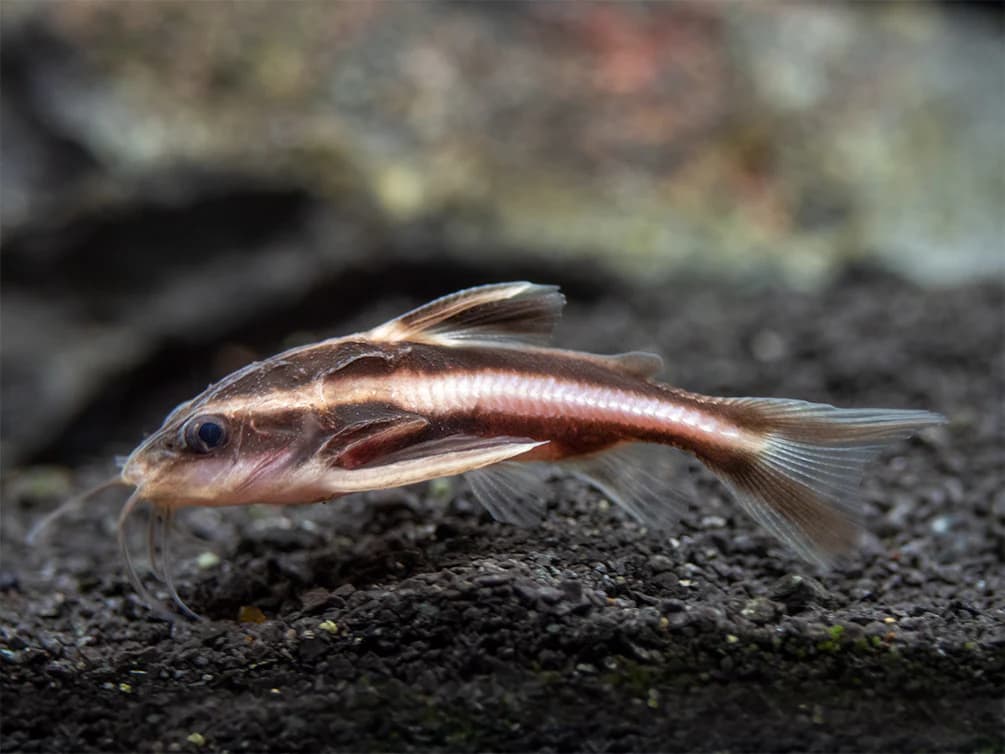
Platydoras armatulus, the striped raphael catfish (also called the chocolate raphael or humbug catfish), is one of the most recognizable armored catfish in the hobby. Their bold black body with crisp white or cream horizontal stripes along the sides, combined with their peaceful temperament and hardy nature, have made them a long-time favourite in larger community tanks.
Native to the Amazon and Orinoco river basins across South America, striped raphael catfish inhabit slow-moving rivers and floodplains with abundant woody debris, leaf litter, and roots. They are social, nocturnal fish that congregate in groups in the wild under submerged logs and debris piles.
Striped raphael catfish are easy to care for and among the best introductory catfish for larger community tanks. They are long-lived, peaceful with appropriate tank mates, and add an interesting nocturnal dimension to any tank.
Basic Overview
Common Misconceptions
"They are always visible." Striped raphael catfish are nocturnal and spend most daylight hours completely hidden. They are night fish that become active after lights-out. Purchasing them expecting daytime activity will be disappointing.
"They can be kept with small fish." Striped raphael catfish will eat any fish that fits in their mouth. Small tetras and nano fish are at risk. Keep them with fish of 3+ inches.
"They need special care." Striped raphael catfish are among the hardiest and most adaptable catfish available. They tolerate a wide range of water conditions and accept most foods. Their longevity (15-20 years) is the main long-term consideration.
"They are dangerous to handle." Their locking pectoral spines are not venomous but can cause injury if the fish is caught in a net and struggles. Always use a container rather than a net. Handled carefully, they are perfectly safe fish.
Recommended Setup
- 55+ gallon tank for an adult
- Large hiding spots: PVC pipes, large clay pots, driftwood caves
- Soft substrate
- Leaf litter and driftwood for natural feel
- Gentle to moderate flow
- Good filtration
- Dim lighting or floating plants
Diet
Striped raphael catfish are omnivores that accept most sinking foods:
- Sinking pellets or wafers as a staple
- Frozen bloodworms
- Frozen brine shrimp
- Blanched vegetables: zucchini, cucumber
- Small earthworms
Feed after lights-out near their hiding spot. Striped raphael catfish are reliable nocturnal feeders once comfortable in their tank. They are not picky eaters and will readily accept commercial sinking foods alongside occasional frozen or fresh treats.
Personality
Striped raphael catfish are calm, methodical, long-lived fish that become a reliable fixture in any tank they inhabit. Over years of keeping, their consistent presence, recognizable personality, and interesting nocturnal activity make them among the most endearing catfish available.
Like the spotted raphael, they produce audible clicking sounds when handled or alarmed. This sound production, combined with their striking coloration and armored body, makes them genuinely unique fish.
Multiple striped raphael catfish can be kept together and will often rest in piles or alongside each other in shared hiding spaces. This social aggregation behavior is natural and a sign of comfort in their environment.
Water Parameters
Striped raphael catfish come from the warm, soft Amazonian river systems:
- pH: 6.0-7.5
- Hardness (gH): 2-15 dGH
- Temperature: 75-82 degrees F
- Ammonia and Nitrite: 0 ppm
- Nitrate: below 20 ppm
Here are some top tips to deal with unwanted parameters:
- Striped raphael catfish are very water-chemistry tolerant. Standard community tank parameters are adequate for long-term health.
- Their long lifespan (up to 20 years) means consistent maintenance over many years matters more than achieving perfect parameters at any one time.
- Avoid copper-based medications. Like all doradid catfish, they are sensitive to copper treatments.
- Weekly 25-30% water changes are the standard maintenance approach.