Common Pleco Care Guide
A Complete Care Guide for Hypostomus plecostomus
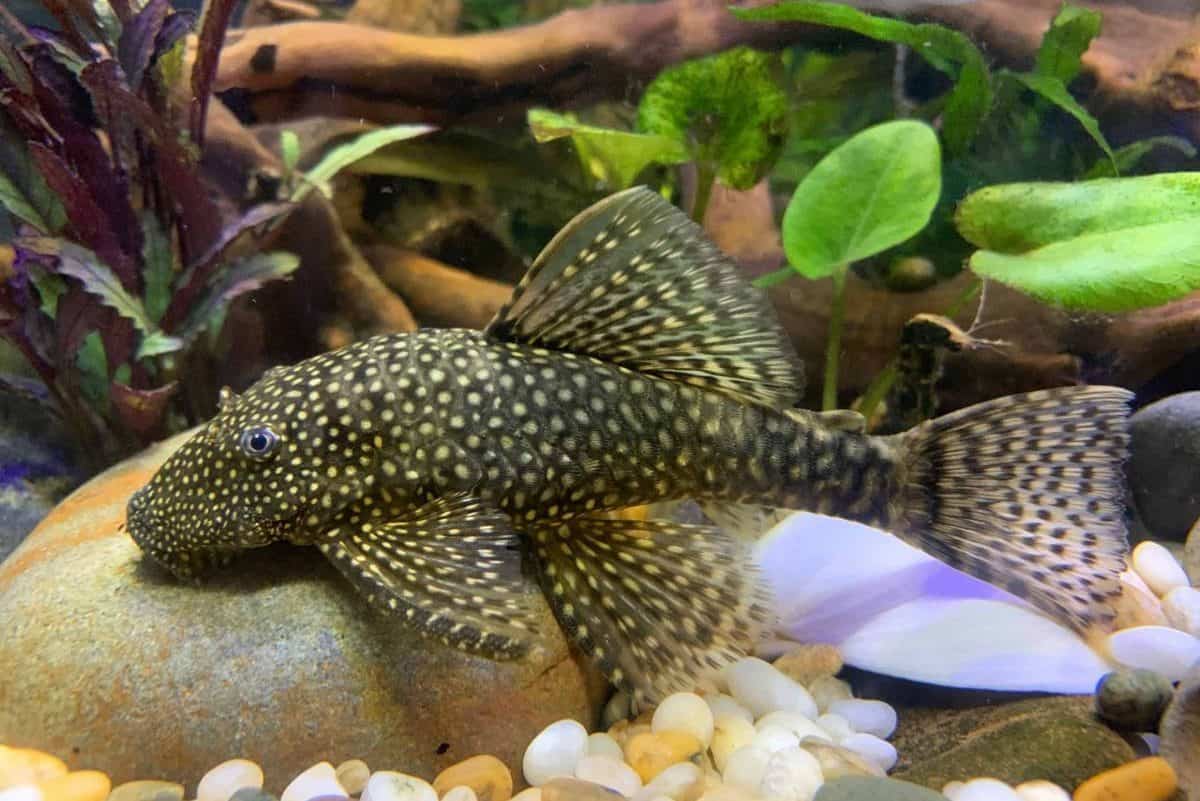
Introduction
Hypostomus plecostomus (and related species sold under this name), the common pleco, is one of the most widely sold aquarium fish in the world and simultaneously one of the most frequently returned or rehomed when buyers discover the fish's true adult size. Sold as juveniles at 2-4 inches for algae control, they grow to 18-24 inches and require tanks of 150 gallons or more as adults.
Native to coastal rivers of northeastern South America (Venezuela, Guyana, Trinidad), common plecos inhabit fast-flowing rivers and streams with rocky substrates. They are powerful, armored catfish that graze algae and biofilm from hard surfaces.
Common plecos are hardy and easy to care for once appropriate tank size is provided. Their enormous size and waste production make them unsuitable for the typical community aquarium. Keepers who can commit to large tank housing will find them durable, long-lived, and characterful fish.
Basic Overview
Common Misconceptions
"They stay small in a small tank." This is the most dangerous misconception about common plecos. Growth may slow in a small tank, but the fish suffers organ compression and stress long before growth stops. A 2-inch juvenile will reach 12+ inches within 2 years under good conditions.
"They will clean all the algae." Juvenile plecos do graze algae. Adults, however, produce far more waste than they consume in algae and can actually increase algae problems through their massive nutrient contributions. A large common pleco is not a practical algae control solution.
"They can be kept with small fish without issue." While plecos are not actively predatory, large adults can accidentally harm or crush small fish. Their barbed pectoral spines can injure fish that brush against them. Large plecos are best with fish of 4+ inches.
"They are peaceful toward each other." Common plecos are territorial with conspecifics, particularly in smaller tanks. Two adult plecos in a tank will compete aggressively for territory. If keeping multiple, ensure the tank is very large with multiple distinct territory zones.
Recommended Setup
- 150+ gallon tank for a single adult
- Large hiding spots: 6-inch diameter PVC pipe, large cave, driftwood
- Driftwood (important for dietary fiber)
- Smooth, heavy rocks
- Powerful filtration: canister or sump rated for 3-5x tank volume
- Strong water flow
- Secure lid
Diet
Common plecos are omnivores with an important plant fiber component in their diet:
- Large sinking algae wafers as a primary staple
- Blanched vegetables: zucchini, cucumber, peas, romaine lettuce
- Driftwood (constant access for fiber and biofilm grazing)
- Sinking carnivore pellets (supplemental protein)
- Frozen bloodworms (occasional)
Feed daily in the evening. Driftwood should be available continuously - plecos rasp on it for the cellulose fiber that their gut bacteria process. Lack of driftwood in large plecos is associated with digestive issues. Vegetables should be a regular part of their diet, not occasional treats.
Personality
Common plecos develop considerable personality over their long lives. Large, established adults recognize their keeper, emerge at feeding time, and become comfortable with tank maintenance. Their impressive size, armored appearance, and longevity make them genuinely impressive long-term companions.
They are nocturnal and will be largely invisible during the day in a new setup, but in a mature, well-established tank they emerge during evening hours and may become bold enough to feed while room lights are on.
Their enormous appetite for vegetables and biofilm, combined with their methodical grazing behavior, makes their feeding interactions interesting to observe. Watching a large pleco methodically work over a zucchini slice is one of the more charming behaviors in freshwater fishkeeping.
Water Parameters
Common plecos come from the warm, fast-flowing coastal rivers of northeastern South America:
- pH: 6.5-7.5
- Hardness (gH): 5-15 dGH
- Temperature: 72-82 degrees F
- Ammonia and Nitrite: 0 ppm
- Nitrate: below 20 ppm
Here are some top tips to deal with unwanted parameters:
- Large plecos produce enormous waste. Weekly 30-40% water changes and very powerful filtration are essential to manage nitrate in a tank with an adult common pleco.
- Good flow and high dissolved oxygen are important. Their fast-river origins mean they benefit from strong water movement.
- Standard community tank water chemistry is appropriate. They are adaptable to a range of tap water conditions.
- Avoid copper-based medications.