L-018 Gold Nugget Pleco Care Guide
A Complete Care Guide for Baryancistrus xanthellus
Introduction
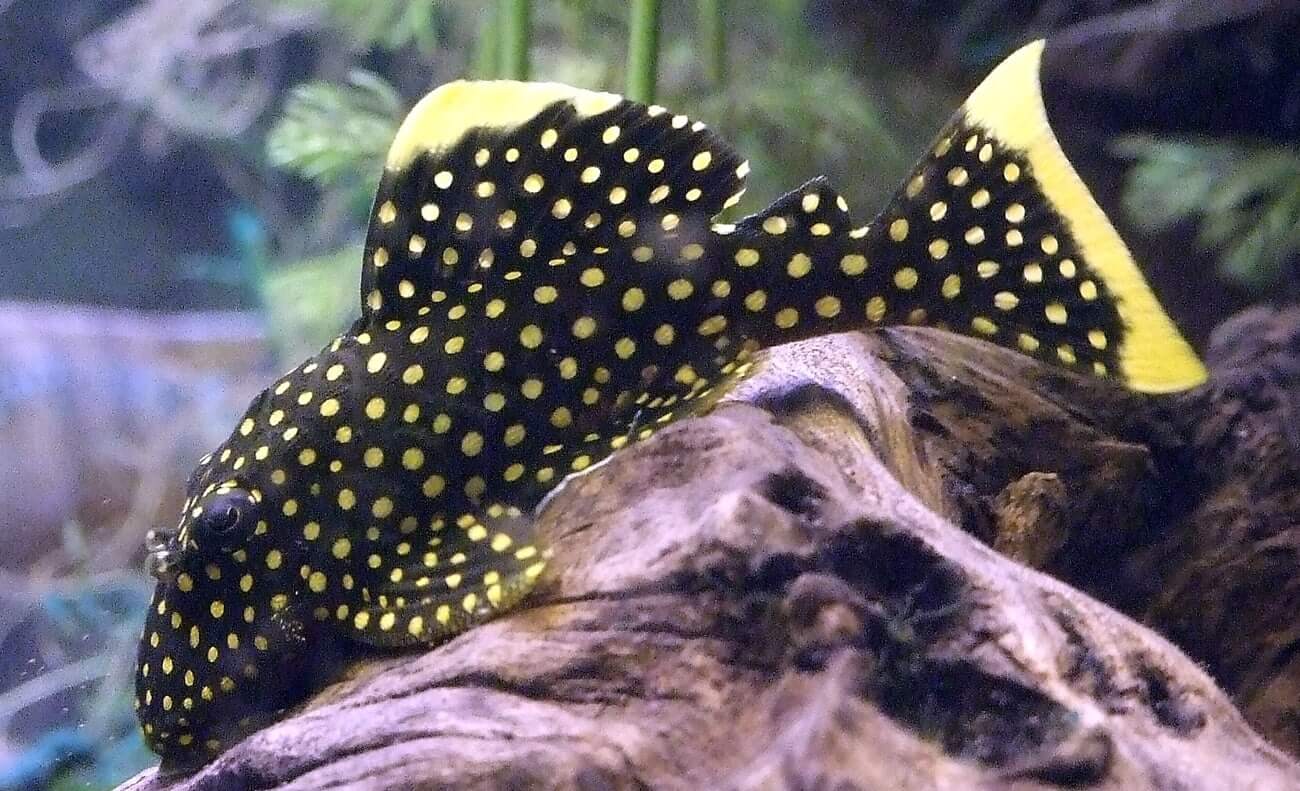
Baryancistrus xanthellus, the L-018 gold nugget pleco, is one of the most visually striking plecos available. Their dark brown to black body is covered in vivid golden-yellow spots of consistent size, and both the dorsal and caudal fins are edged with a bold yellow-orange band. This combination of black and gold makes them one of the most sought-after plecos in the hobby.
Native to the Rio Xingu in Brazil, gold nugget plecos inhabit fast-flowing, rocky, highly oxygenated river sections. The Rio Xingu is a clear-water river with specific chemistry quite different from the typical Amazon tributary, and this matters for captive care.
Gold nugget pleco care is intermediate to advanced. They require high oxygen, good flow, warm temperatures, and a diet that includes significant plant matter alongside protein. Their specific water parameter needs and higher price point make them a species for dedicated pleco enthusiasts.
Basic Overview
Common Misconceptions
"They can be kept in standard tropical temperatures." Gold nugget plecos come from the warm Rio Xingu and require 79-86 degrees F. Standard tropical temperatures of 75-77 degrees F are too cool for long-term health. This is the most common care error.
"They are primarily algae eaters." Gold nugget plecos eat algae, biofilm, and vegetable matter but also require protein foods. A varied diet including meaty foods alongside vegetables and algae wafers is necessary.
"Any water chemistry is adequate." The Rio Xingu has specific soft, acidic, highly oxygenated water. Gold nugget plecos do best in soft, slightly acidic, very well-oxygenated conditions rather than standard community tank parameters.
"Multiple gold nugget plecos can share one tank." Gold nugget plecos are territorial with conspecifics. In all but very large tanks, only one should be kept, or multiple with extensive separate territories and hiding spots.
Recommended Setup
- 75+ gallon tank
- Strong flow and very high oxygenation (essential)
- Smooth rocks and driftwood for resting and grazing
- Hiding caves (one per fish)
- Soft, slightly acidic water
- Warm temperature: 80-86 degrees F
- Avoid sharp decor
Diet
Gold nugget plecos require a varied diet with both plant and protein components:
- Algae wafers and spirulina-based foods (primary)
- Blanched vegetables: zucchini, cucumber, spinach, squash
- Sinking carnivore pellets (protein supplement)
- Frozen bloodworms (occasional)
- Driftwood for continuous biofilm grazing
Feed daily in the evening. Blanched vegetables should be offered 3-4 times per week. Driftwood should always be available for grazing. Gold nugget plecos that are well-fed with a varied diet maintain the most vivid gold spotting.
Personality
Gold nugget plecos are bold, active grazers for plecos. They spend more time in visible positions on rocks and driftwood compared to many pleco species, making them genuinely attractive display fish rather than just nocturnal hiders.
Males are territorial with each other and will compete aggressively for prime grazing spots and caves. This territorial aggression is usually limited to conspecifics and does not affect other fish in the tank.
Their vivid coloration is dynamic and responsive to conditions. A well-maintained gold nugget pleco in warm, highly oxygenated, slightly acidic water displays the most intense yellow-orange spots. Poor conditions cause color fading.
Water Parameters
Gold nugget plecos require the warm, soft, highly oxygenated conditions of the Rio Xingu:
- pH: 6.0-7.0
- Hardness (gH): 2-10 dGH (soft water important)
- Temperature: 79-86 degrees F
- Ammonia and Nitrite: 0 ppm
- Nitrate: below 20 ppm
Here are some top tips to deal with unwanted parameters:
- High dissolved oxygen is critical. Strong surface agitation, a powerhead, or spray bar ensuring significant water movement throughout the tank is essential.
- Soft, slightly acidic water significantly improves long-term health and color. In hard-water areas, mixing with RO water to soften is beneficial.
- Warm temperature (80-84 degrees F) is non-negotiable. Cold snaps or temperatures below 78 degrees F cause immune suppression.
- Avoid copper-based medications absolutely.