Rubbernose Pleco Care Guide
A Complete Care Guide for Chaetostoma milesi
Introduction
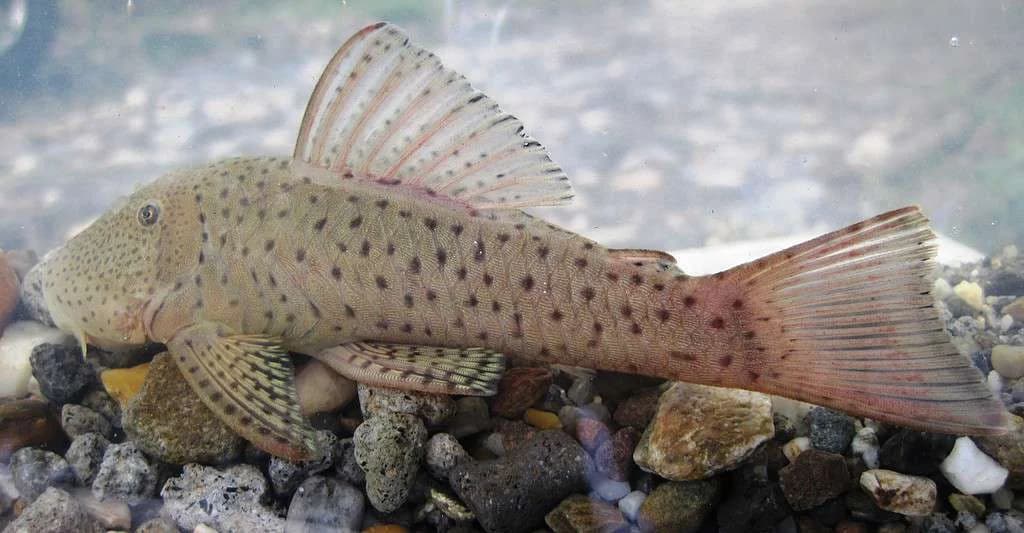
Chaetostoma milesi, the rubbernose pleco (also called the bulldog pleco or rubber lip pleco), is a small, stocky pleco from South America with a distinctive large, broad, fleshy mouth giving it its evocative "rubbernose" common name. Their compact, rounded body with a patterned brown-grey back and large sucker mouth makes them immediately recognizable. They are specialized algae scrapers.
Native to fast-flowing, rocky Andean foothill streams in Colombia and Venezuela, rubbernose plecos inhabit cool, highly oxygenated, rocky rivers. Their high-altitude, fast-water origin gives them significantly different requirements from typical Amazon basin plecos.
Rubbernose pleco care is easy to moderate. Their primary requirements are cooler water (68-77 degrees F), good flow, and a smooth rocky or glass substrate with abundant algae growth. Their small adult size (4-5 inches) and peaceful temperament make them suitable for medium-sized planted tanks.
Basic Overview
Common Misconceptions
"They thrive at standard tropical pleco temperatures." Rubbernose plecos come from cool Andean foothill streams and prefer 68-77 degrees F. Standard tropical temperatures of 76-80 degrees F are at the upper limit of their tolerance. Prolonged temperatures above 80 degrees F cause stress and suppress immune function.
"They are the same as common plecos." Rubbernose plecos are a distinctly different genus from Hypostomus or Pterygoplichthys (common pleco). They stay small (4-5 inches), prefer cooler water, and are significantly less destructive to plants.
"They need strong current like hillstream loaches." Rubbernose plecos prefer good flow but not the torrential current required by hillstream loaches. Moderate to strong flow with good oxygenation is appropriate.
Recommended Setup
- 30+ gallon tank
- Cooler water: 68-77 degrees F
- Moderate to strong flow
- Smooth rocks and glass for algae grazing
- Cave or hiding spot
- Good filtration and oxygenation
- Hardy plants or no plants
Diet
Rubbernose plecos are specialized algae scrapers:
- Algae growing on glass, rocks, and wood (primary food)
- Algae wafers placed on hard surfaces
- Blanched zucchini and cucumber
- Spirulina foods
- Biofilm on driftwood
Allow algae to establish on the glass and rocks before adding rubbernose plecos. Supplement with algae wafers and blanched vegetables placed directly on their grazing surfaces. They require primarily plant-based nutrition.
Personality
Rubbernose plecos are active grazers that are more visible during the day than many pleco species. Their distinctive broad, flat face and large fleshy mouth create an appealing, almost comical appearance when observed closely as they press their sucker to the glass.
They graze methodically across surfaces, systematically consuming algae from every angle. In a tank with established algae growth on glass and rocks, watching a rubbernose pleco graze is genuinely satisfying.
Their small adult size, cool-water tolerance, and peaceful temperament make them compatible with cool-water community tanks featuring white clouds, arulius barbs, and hillstream loaches -- species that share similar temperature requirements.
Water Parameters
Rubbernose plecos come from the cool, fast-flowing Andean foothill streams:
- pH: 6.5-7.5
- Hardness (gH): 5-15 dGH
- Temperature: 68-77 degrees F
- Ammonia and Nitrite: 0 ppm
- Nitrate: below 15 ppm
Here are some top tips to deal with unwanted parameters:
- Cool water is the most critical care requirement. Temperatures above 80 degrees F cause chronic stress.
- Good oxygenation through surface agitation and moderate to strong flow.
- Standard tap water chemistry in most regions is adequate.
- Weekly 25% water changes.