Borneo Loach Care Guide
A Complete Care Guide for Gastromyzon borneensis
Introduction
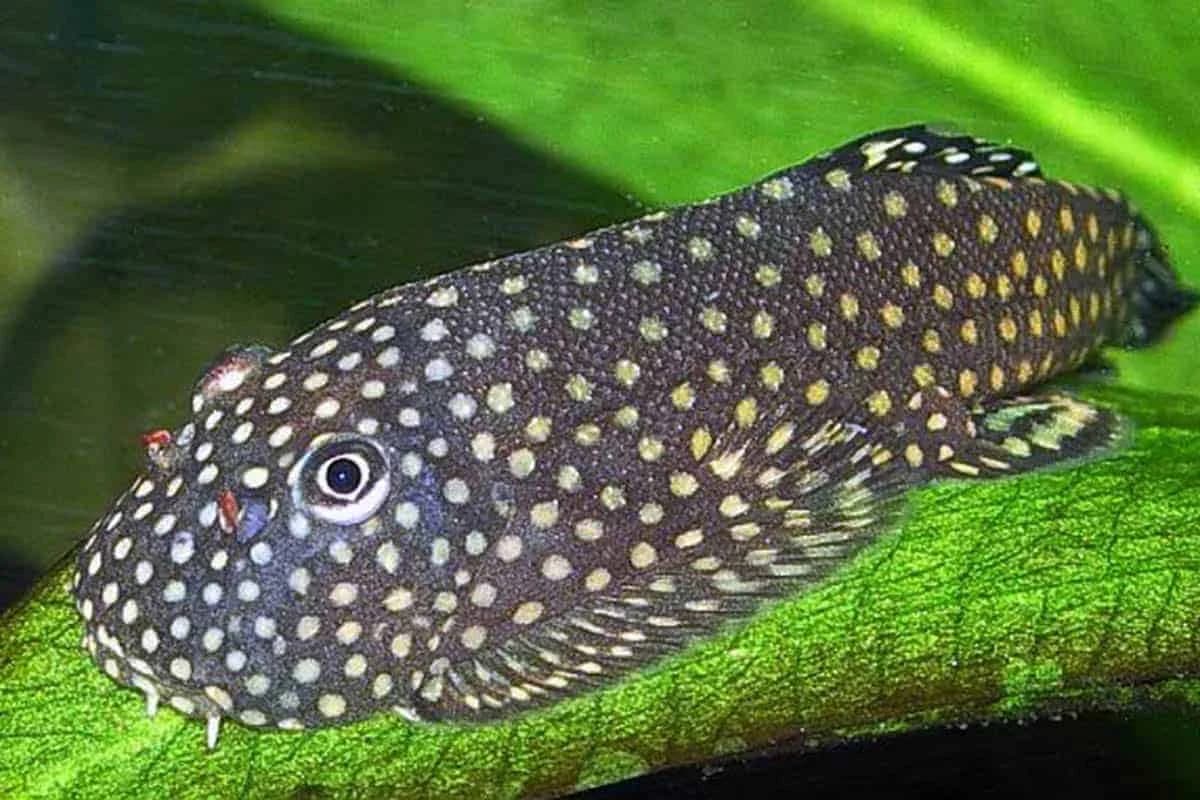
Gastromyzon borneensis, the Borneo loach (also called the Borneo hillstream loach or Hong Kong pleco), is a specialized hillstream loach from the fast-flowing rivers of Borneo. Their body is flattened with highly modified paired fins that function as adhesive organs, allowing them to cling to smooth rocks in extremely fast currents. Their patterned dorsal surface of brown, tan, and cream markings provides camouflage against the rocky riverbeds they inhabit.
Endemic to Borneo in Southeast Asia, Gastromyzon borneensis inhabits the turbulent, highly oxygenated, cool upper reaches of rivers. Their specific habitat requirements are among the most specialized of any commonly kept fish.
Borneo loach care is intermediate. They require fast current, very high dissolved oxygen, cooler water, and a diet of algae and biofilm on smooth surfaces. In an appropriate setup -- a high-flow hillstream biotope tank -- they are fascinating, active, and rewarding fish.
Basic Overview
Common Misconceptions
"Standard aquarium flow is sufficient." Borneo loaches require very strong current -- significantly more than a standard aquarium pump provides. A dedicated powerhead or spray bar creating near-torrential flow over smooth rocks is essential.
"They need typical tropical temperatures." Borneo loaches come from cool, high-oxygen upland rivers and require 68-75 degrees F. Standard tropical temperatures (76-80 degrees F) cause chronic stress and oxygen depletion in this species.
"They eat algae wafers like plecos." While Borneo loaches graze on algae, their primary food is the biofilm -- the community of microorganisms, diatoms, and algae -- that forms on smooth rock surfaces. Biofilm-rich rocks in fast current are their natural food source, supplemented by spirulina-based foods.
"They can share tanks with tropical community fish." Their cool water and ultra-high-flow requirements make them incompatible with most tropical community fish. Hillstream biotope setups with other cool, fast-water species are most appropriate.
Recommended Setup
- 30+ gallon tank
- Very strong current (dedicated powerhead essential)
- Smooth flat rocks for clinging and biofilm grazing
- Cool water: 68-75 degrees F
- Very high dissolved oxygen
- Sandy areas between rocks
- Compatible hillstream species or other cool-water fish
Diet
Borneo loaches are specialized algae and biofilm grazers:
- Biofilm growing naturally on rocks and smooth surfaces (primary food)
- Spirulina wafers placed near high-flow areas
- Blanched zucchini or cucumber
- Algae-based sinking wafers
Establishing biofilm in the tank before adding Borneo loaches significantly improves success. Leave rocks in the tank under light for 2-4 weeks before introducing fish to allow biofilm to develop. Supplement with spirulina foods and blanched vegetables placed in the current.
Personality
Borneo loaches are fascinating, active fish in appropriate conditions. They cling to rocks with remarkable adhesive force, moving across surfaces with suction-grip precision. In a fast-current hillstream setup, they are constantly moving, grazing, and relocating -- far more active than their sedentary appearance suggests.
Their patterned dorsal surface against smooth river pebbles provides excellent camouflage, and observing them navigate the strong current with ease demonstrates their evolutionary specialization.
Setting up a proper hillstream biotope for Borneo loaches -- with powerful flow, smooth rocks, cool water, and established biofilm -- is a rewarding aquascaping project that produces one of the most distinctive and natural-looking biotope displays available.
Water Parameters
Borneo loaches require the cool, oxygen-saturated, fast-flowing conditions of upland Borneo rivers:
- pH: 6.5-7.5
- Hardness (gH): 5-12 dGH
- Temperature: 68-75 degrees F
- Dissolved oxygen: very high (close to saturation)
- Ammonia and Nitrite: 0 ppm
- Nitrate: below 10 ppm
Here are some top tips to deal with unwanted parameters:
- High dissolved oxygen is non-negotiable. Very strong surface agitation and a powerhead creating turbulent flow are required.
- Cool temperatures (68-74 degrees F) are the natural range. Do not house with tropical fish requiring 76+ degrees F.
- Low nitrate (below 10 ppm) is important for this sensitive species.
- Avoid copper-based medications.