Panda Garra Care Guide
A Complete Care Guide for Garra flavatra
Introduction
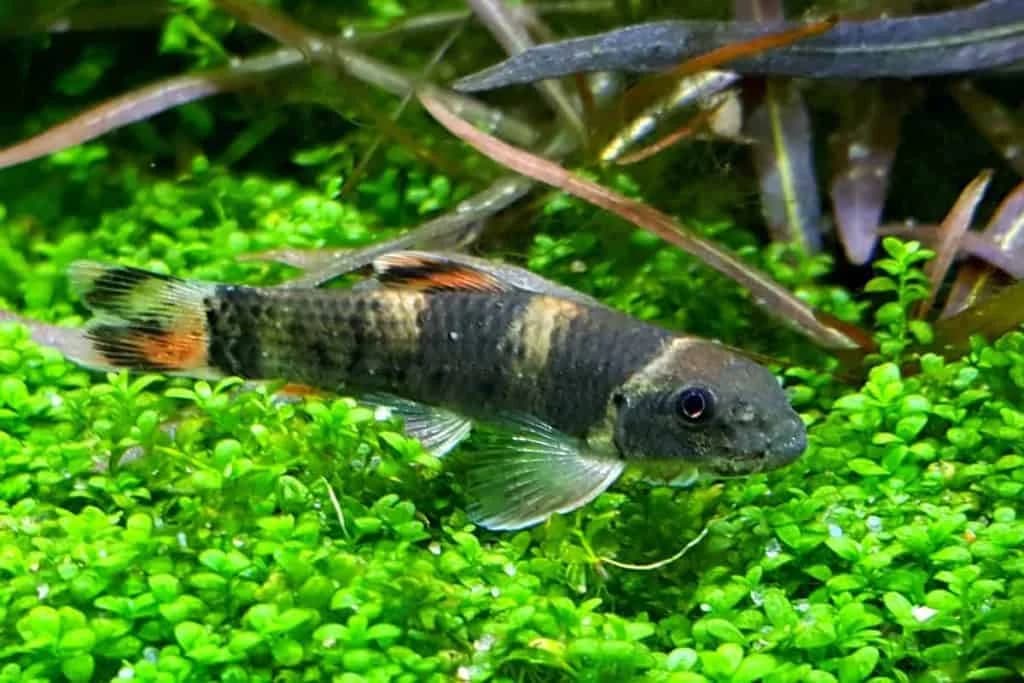
Garra flavatra, the panda garra (or Burmese border loach), is a small, attractively patterned cyprinid from Myanmar. Their body is marked with alternating dark saddles and pale areas creating a panda-like contrast, with vivid orange-red fin coloration, particularly in males. Their sucker-like mouth and the distinctive rostral cap on their snout are characteristic of the Garra genus.
Native to fast-flowing hill streams in the Rakhine Yoma mountains of western Myanmar, panda garras inhabit cool, clear, highly oxygenated water flowing over smooth rocks and gravel. Their habitat requirements are similar to hillstream loaches.
Panda garra care is easy to moderate. Their most important requirements are cooler water, good flow and oxygenation, and a diet that includes algae and biofilm alongside supplemental foods. Their striking panda coloration and active, visible behavior make them one of the most attractive small algae-grazing fish available.
Basic Overview
Common Misconceptions
"They need typical tropical temperatures." Panda garras come from cool hill streams and prefer 68-76 degrees F. Standard tropical temperatures above 78 degrees F cause chronic stress and reduce lifespan. This is the most commonly overlooked care requirement.
"They only graze algae." While panda garras graze algae and biofilm extensively, they also benefit from meaty supplement foods (frozen bloodworms, brine shrimp) and sinking pellets for complete nutrition.
"They are the same as other Garra species." G. flavatra has a more vivid panda pattern and orange fin coloration compared to the more common G. rufa (doctor fish). Their care is similar but G. flavatra is distinctly more colorful.
Recommended Setup
- 20-30+ gallon tank
- Cooler water (68-76 degrees F)
- Good flow and strong oxygenation
- Smooth rocks for grazing
- Sandy areas for occasional resting
- Good filtration
- Hardy plants or no plants (they may graze tender plant tissue)
Diet
Panda garras are algae grazers that also accept supplemental foods:
- Algae and biofilm growing naturally on rocks
- Algae wafers and spirulina foods
- Blanched zucchini and cucumber
- Frozen bloodworms (protein supplement)
- Sinking pellets
Feed daily. Panda garras graze continuously during the day on biofilm and algae. Supplement in the evenings with sinking pellets and occasional frozen protein foods for complete nutrition.
Personality
Panda garras are active, visible fish that graze confidently on rocks and glass during daylight hours. Their panda-like body contrast with vivid orange fins creates a striking appearance, particularly in males who develop the most intense coloration.
Males display to each other with raised rostral cap expansions and lateral body posturing -- a fascinating intra-species interaction. This mild territorial behavior does not extend to other species.
In a cool-water setup with good flow, smooth rocks, and established algae growth, panda garras are engaging, constantly active, and visually rewarding fish that require significantly less hiding than most cyprinids.
Water Parameters
Panda garras come from the cool, fast-flowing hill streams of western Myanmar:
- pH: 6.5-7.5
- Hardness (gH): 5-15 dGH
- Temperature: 68-76 degrees F
- Dissolved oxygen: high
- Ammonia and Nitrite: 0 ppm
- Nitrate: below 15 ppm
Here are some top tips to deal with unwanted parameters:
- Cool water is the most critical parameter. Temperatures above 78 degrees F are stressful.
- Strong oxygenation through surface agitation reflects their hill-stream origin.
- Standard tap water chemistry in most regions is adequate.
- Weekly 25% water changes maintain low nitrate.