Kubotai Loach Care Guide
A Complete Care Guide for Pangio kubotai
Introduction
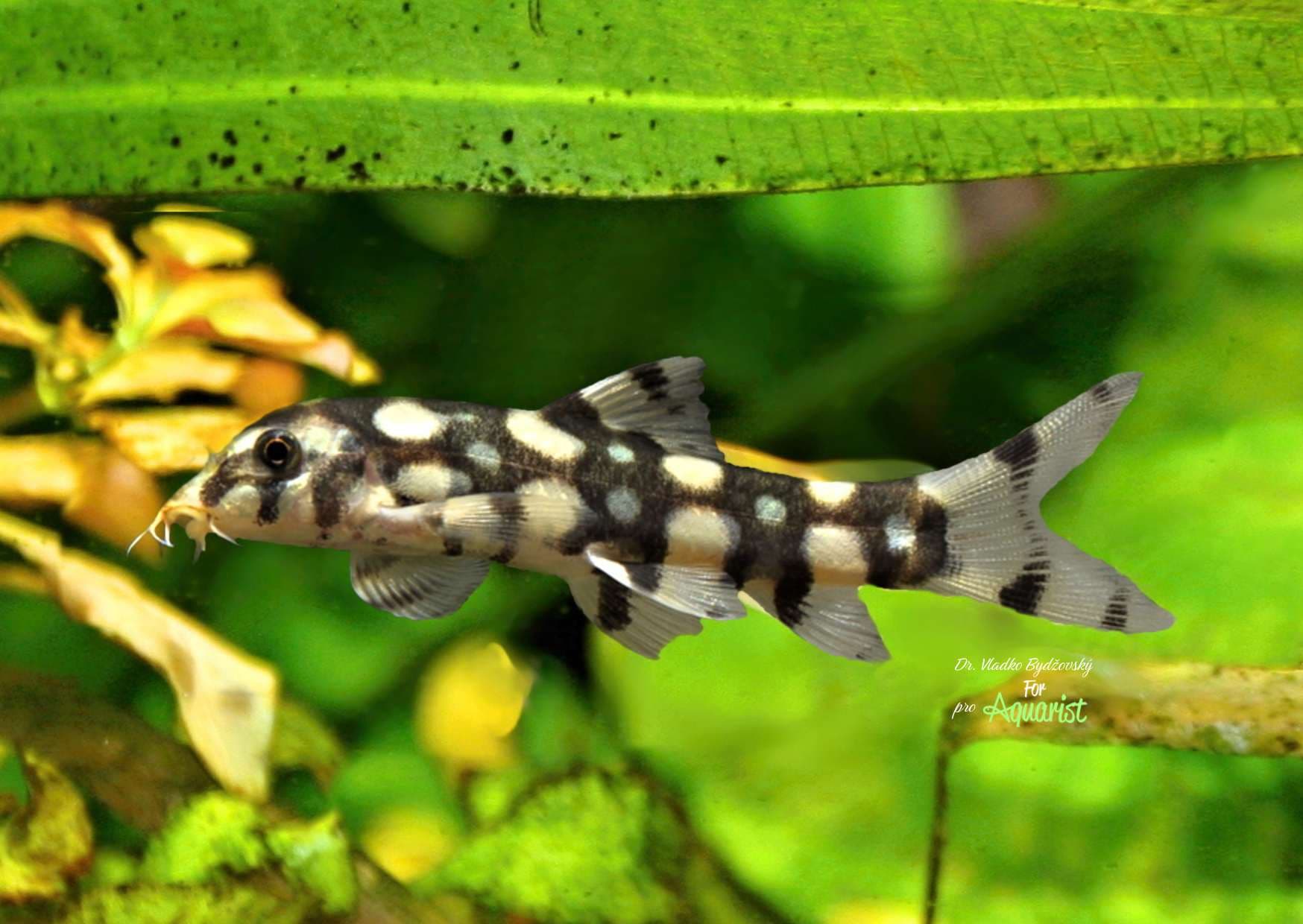
Pangio kubotai, the Kubotai loach (also called the marble kuhli loach), is a small, worm-like loach from Southeast Asia with a distinctive marbled pattern of irregular dark bands and patches on a pale body. They are closely related to the common kuhli loach and share the same secretive, burrowing lifestyle.
Native to Thailand and the Thai-Malaysian border region, Kubotai loaches inhabit slow to moderate rivers and streams with soft, sandy substrate and dense vegetation. Like all Pangio species, they spend much of their time hidden in the substrate or under dense plant cover.
Kubotai loach care is easy to moderate. Their requirements mirror those of kuhli loaches: fine sand substrate, groups of 4 or more, warm temperatures, and appropriate hiding spots. Their distinctive marbled pattern differentiates them visually from the banded kuhli loach.
Basic Overview
Common Misconceptions
"They can be kept alone." Kubotai loaches are social and fare much better in groups of 4 or more. Solo or paired loaches are chronically stressed and hide constantly.
"Any substrate is fine." Fine sand is essential for their burrowing behavior. Coarse gravel prevents burrowing and causes stress.
"They are strictly nocturnal." In groups with good hiding spots, Kubotai loaches emerge more during daylight hours than when kept alone. They are shy but not entirely nocturnal.
"They will eliminate pest snails." Like kuhli loaches, they are too small to eat most pest snails. Do not purchase them primarily for snail control.
Recommended Setup
- 20+ gallon tank for a group of 4-6
- Fine sand substrate (essential)
- Dense planting for hiding and security
- Smooth driftwood and caves
- Gentle to moderate flow
- Good filtration with gentle intake (they can be sucked into unprotected intakes)
Diet
Kubotai loaches are omnivores that eat a range of small sinking foods:
- Small sinking pellets or wafers
- Frozen bloodworms
- Frozen brine shrimp
- Blanched vegetables: zucchini, peas
- Small live or frozen blackworms
Feed once daily in the evening. Kubotai loaches are reliable feeders once settled. Drop food near their hiding spots or directly on the sand. They forage in the substrate for leftover food as well.
Personality
Kubotai loaches in groups develop a comfortable presence in a planted tank. Over time they emerge more during daylight hours, particularly at feeding time. Their marbled pattern is distinctive and attractive when visible.
Their worm-like movements through plant stems and substrate, their social burrowing behavior (often resting in piles with group members), and their gradually increasing boldness in a mature tank make them rewarding long-term community fish.
They are completely peaceful with all tank mates including dwarf shrimp, which are not harmed by loaches of this size.
Water Parameters
Kubotai loaches come from the warm, soft, slightly acidic rivers of Southeast Asia:
- pH: 6.0-7.5
- Hardness (gH): 3-12 dGH
- Temperature: 75-86 degrees F
- Ammonia and Nitrite: 0 ppm
- Nitrate: below 20 ppm
Here are some top tips to deal with unwanted parameters:
- Warm temperatures (78-84 degrees F) are preferred. Slightly warmer than many loach species.
- Soft, slightly acidic water is ideal.
- Avoid copper-based medications.
- Weekly 25% water changes and consistent maintenance are all that is required.