Dragon Fish (Dragon Goby) Care Guide
A Complete Care Guide for Gobioides broussonnetii
Introduction
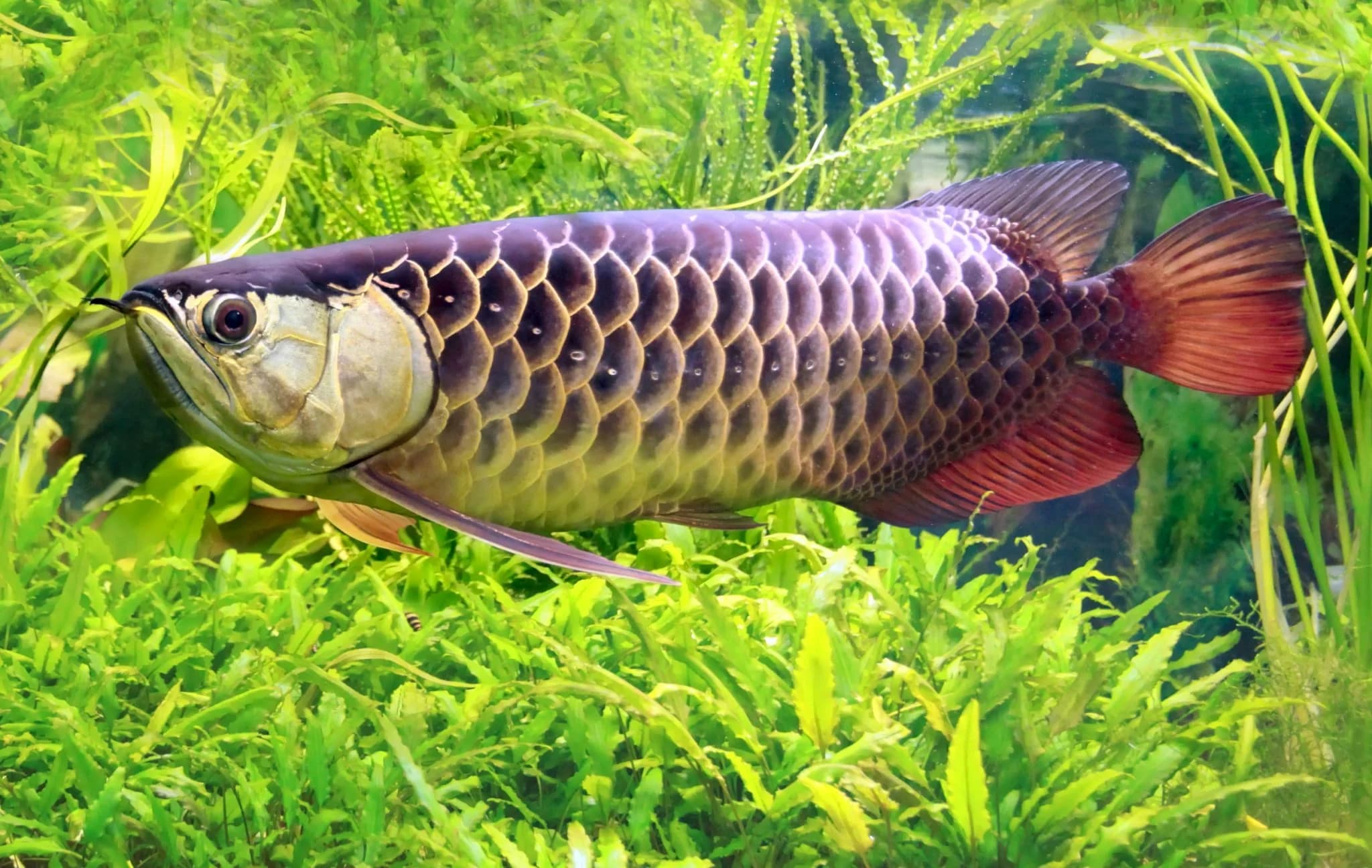
Gobioides broussonnetii, the dragon fish (also called the dragon goby, violet goby, or eel goby), is a remarkable elongated goby from the Americas with a striking eel-like body reaching 24 inches or more. Their iridescent purple-silver body with irregular darker markings and large, upturned mouth with visible teeth creates a genuinely prehistoric, dragon-like appearance.
Native to estuaries, mangrove swamps, and coastal rivers along the Atlantic and Gulf coasts of the Americas (from Florida to Brazil), dragon fish are obligate brackish water fish that require salt in their water for long-term health. They are found in turbid, muddy estuarine environments.
Dragon fish care is intermediate. Their large size, specific brackish water requirements, unusual diet (they are filter feeders, not predators despite their fearsome appearance), and specialized care needs make them a specialty species for dedicated keepers.
Basic Overview
Common Misconceptions
"They are predatory fish-eaters." Despite their large size, sharp-looking teeth, and intimidating appearance, dragon fish are primarily filter feeders and scavengers that eat microorganisms, detritus, algae, and small soft-bodied invertebrates. They pose minimal threat to fish they cannot fit in their mouth, which includes most fish of any significant size.
"They can be kept in freshwater." Dragon fish are obligate brackish water fish. Freshwater conditions lead to chronic osmotic stress, susceptibility to disease, and shortened lifespan. Specific gravity of 1.005-1.015 is required.
"Their teeth mean they eat large prey." The visible teeth are used for scraping algae and biofilm from surfaces, not for catching large prey. Their upturned mouth and fine gill rakers are adapted for scooping and filtering detritus, not for hunting.
"They are fully aquatic." Dragon fish occasionally emerge from water and climb up tank walls or decorations. A secure lid is essential to prevent escapes.
Recommended Setup
- 75+ gallon tank for adults
- Brackish water (SG 1.005-1.015)
- Deep, soft substrate for burrowing (4+ inches of sand)
- Caves and hiding spots (PVC pipes work well)
- Secure lid
- Good filtration
- Gentle to moderate flow
Diet
Dragon fish are filter feeders and scavengers that require fine, soft foods:
- Sinking algae wafers (crushed or broken small)
- Frozen bloodworms (broken into small pieces)
- Frozen brine shrimp
- Sinking shrimp-based pellets
- Blanched soft vegetables: spinach, zucchini
Feed daily, placing fine sinking foods near their burrow entrance. Their filter-feeding nature means they suck in fine particles and cannot handle large, hard food items. Smaller, softer foods produce the best results. Despite their large size, they do not eat large quantities at once.
Personality
Dragon fish are fascinating inhabitants of a large brackish aquarium. Their eel-like movement through the tank, burrowing behavior in soft substrate, and dragon-like iridescent appearance create an extraordinary visual effect. They are active in the evening and at night.
Their apparent ferocity -- large teeth, large size, energetic lunging movements during feeding -- belies their gentle filter-feeding nature. They are peaceful toward other fish of any significant size and primarily interact with the substrate and burrow.
A 75-gallon brackish tank with thick sand, PVC cave burrows, and robust brackish-tolerant companions (archer fish, mono fish, larger gobies) is an ideal showcase for this unusual species.
Water Parameters
Dragon fish require brackish conditions reflecting their estuarine native habitat:
- pH: 7.5-8.5
- Hardness (gH): 12-20 dGH
- Temperature: 72-82 degrees F
- Salinity: 1.005-1.015 specific gravity
- Ammonia and Nitrite: 0 ppm
- Nitrate: below 20 ppm
Here are some top tips to deal with unwanted parameters:
- Brackish water is essential for long-term health. Use marine salt for a complete mineral profile.
- Top off evaporation with fresh water; replace salt only during actual water changes.
- Deep soft substrate (sand) is important for burrowing behavior. Insufficient substrate depth prevents burrowing and causes stress.
- Good filtration in a soft-substrate tank requires protected intakes to prevent substrate being sucked into the filter.