Clown Pleco Care Guide
A Complete Care Guide for Panaqolus maccus
Introduction
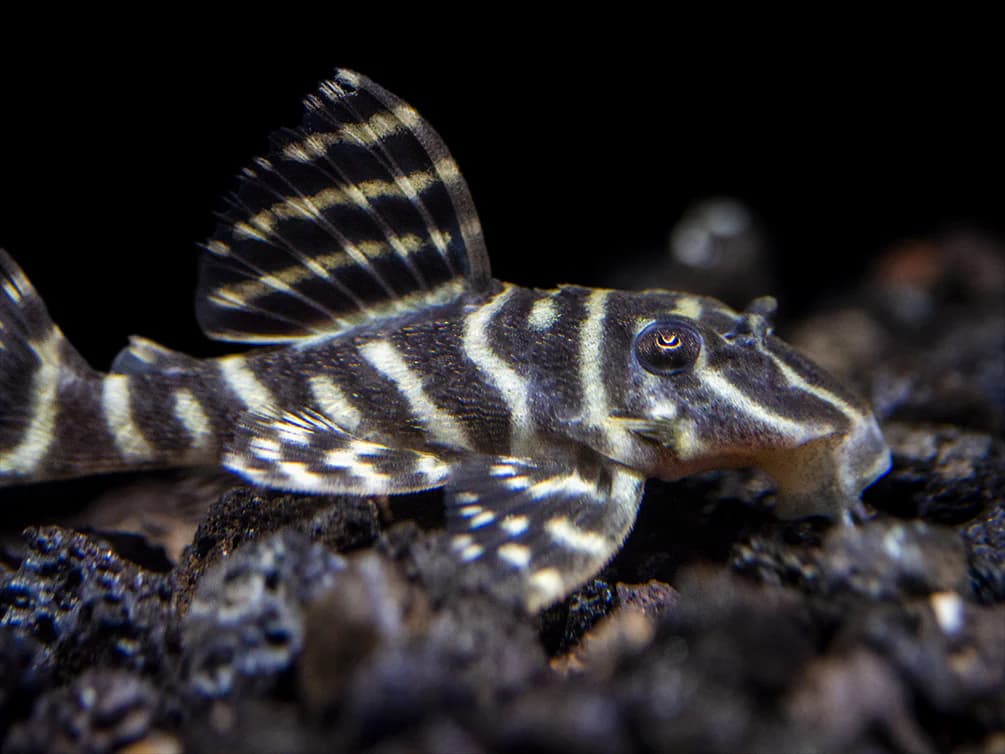
Panaqolus maccus, the clown pleco, is one of the most popular small pleco species available in the hobby. Their striking black-and-white or black-and-orange striped pattern, manageable size (3–4 inches), and wood-eating habits make them an interesting and practical addition to tanks with driftwood.
Native to the Caroni and Apure river systems in Venezuela, clown plecos are primarily wood-eaters (xylivores) that rasp on submerged driftwood for both food and the lignocellulose that forms an important part of their nutritional needs. Driftwood is not optional for this species: it is a dietary requirement.
They are nocturnal, reclusive fish that spend most of the day hidden in caves or clinging to the underside of driftwood. At night they become active, grazing on wood and algae and exploring the tank. Despite their shy nature, they are fascinating to observe when caught in the open.
Basic Overview
Common Misconceptions
"Clown plecos eat algae like bristlenose plecos." Clown plecos are primarily wood-eaters, not algae grazers. They will consume some algae but are far less effective algae cleaners than bristlenose plecos. Do not purchase them expecting significant algae control.
"They do not need driftwood." Driftwood is a dietary necessity, not decoration, for clown plecos. Without it to rasp on, they develop nutritional deficiencies. At least one substantial piece of driftwood per clown pleco is required.
"Multiple clown plecos can be kept together." Clown plecos are territorial toward their own species and other similarly sized plecos. Two males in the same tank will fight over territory. One per tank (or one male with multiple females in a very large tank) is the safest approach.
"They are good community fish with no special needs." Their driftwood requirement, territorial nature, and nocturnal habits mean they need a specifically designed environment. They are not a "just add to any tank" species.
Recommended Setup
- 20+ gallon tank with substantial driftwood (mandatory)
- Multiple pieces of driftwood; the plecos will rasp, hollow out, and claim driftwood as territory
- Fine gravel or sand substrate
- Caves and hiding spots: PVC pipe, coconut shells, pleco caves
- Dense planting reduces light and encourages daytime activity
- Gentle to moderate filtration; they come from flowing rivers but are not high-current fish
- Dim lighting or a heavily planted canopy; they are more active in lower light
Diet
Clown plecos are primarily xylivores (wood-eaters) with a supplemental diet of algae, biofilm, and plant matter:
- Driftwood (always available; they rasp on it continuously)
- Algae wafers and sinking veggie wafers
- Blanched vegetables: zucchini, cucumber, sweet potato, butternut squash
- Spirulina-based sinking foods
- Occasional protein: frozen bloodworms or sinking shrimp pellets (2–3 times per week)
Feed in the evening when they emerge. Place food near their driftwood or caves. Their primarily plant-based and wood-based diet means high-protein foods should be supplemental only, not the staple. A clown pleco without regular access to driftwood will decline in health.
Personality
Clown plecos are secretive, nocturnal fish that challenge the keeper to appreciate what cannot always be seen. During the day they are typically wedged inside a cave, hidden under driftwood, or pressed against a shaded corner. The first sign of their activity is often fresh rasping marks on driftwood surfaces.
At night or in dim light, they emerge to rasp on wood and graze on surfaces. A red-light observation at night reveals their full activity level: moving deliberately across driftwood, pausing to rasp, then moving on to the next feeding spot.
Males are territorial and will display to and chase other clown plecos that enter their claimed area. The sucker-mouth and armored body make these confrontations noisier than damaging, but removing competing males from smaller tanks prevents chronic stress.
Breeding Clown Plecos
Clown plecos breed in caves, with the male guarding and fanning a clutch of eggs laid on the cave ceiling or walls. Providing multiple caves of different sizes allows both fish to select their preferred spawn site.
The male becomes noticeably territorial around the chosen cave when breeding. Females are rounder when carrying eggs. After spawning, the male stays in the cave and fans the eggs until they hatch in 5–7 days. Fry are initially sustained by their yolk sac.
Once free-swimming, fry can be fed finely rasped zucchini, algae wafers, and a small piece of driftwood in the breeding tank or fry container. They grow slowly and need several months to reach a sellable or rehomeable size.
Water Parameters
Clown plecos come from the warm rivers of Venezuela and Colombia:
- pH: 6.8–7.6
- Hardness (gH): 3–10 dGH (soft to moderately soft)
- Temperature: 72–82°F
- Ammonia and Nitrite: 0 ppm
- Nitrate: below 20 ppm
Here are some top tips to deal with unwanted parameters:
- Weekly 25–30% water changes maintain water quality. Clown plecos are sensitive to high nitrates despite their armored appearance.
- Driftwood naturally softens water over time, which gradually moves parameters in a favorable direction in harder tap water areas.
- Maintain stable temperature; avoid swings greater than 2–3 degrees. Their armored exterior does not protect them from temperature-related stress.
- Avoid medications containing copper. Like all plecos, clown plecos are sensitive to copper at concentrations safe for most fish.