Bristlenose Pleco Care Guide
The Ultimate Care Guide for Bristlenose Plecos
Introduction
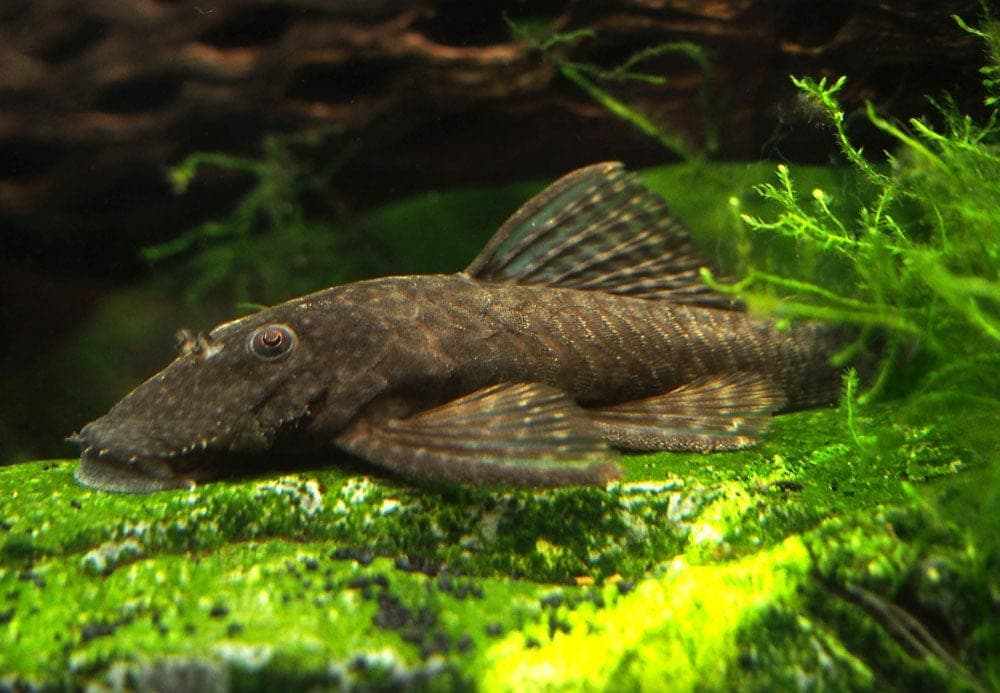
Ancistrus spp., commonly known as the bristlenose pleco or bristlenose catfish, is the most popular pleco species in the aquarium hobby. They live roughly 10-15 years and prefer temperatures of 73-81 degrees Fahrenheit. They commonly reach 4-6 inches in size, making them dramatically more manageable than common plecos, which can exceed 24 inches.
The bristlenose gets its name from the distinctive bushy, tentacle-like appendages that develop on the snout of adult males. These bristles make them genuinely unique looking, and a big male with a full set of fleshy bristles is quite a sight.
They are algae-eating machines and spend most of their time plastered to surfaces, rasping away at algae and biofilm with their sucker mouths. Their practical usefulness combined with their fascinating appearance and long lifespan make them one of the most rewarding fish to keep.
Basic Overview
Common Misconceptions
"A bristlenose pleco will solve all my algae problems!" Bristlenose plecos eat algae, but they won't eliminate it entirely. They are one tool in an algae management strategy, not a complete solution. Addressing light duration and nutrient levels tackles algae at the source.
"A pleco is a pleco!" Common plecos grow to 18-24 inches and are completely unsuitable for most home aquariums long-term. Bristlenose plecos are a fundamentally different proposition, staying at a manageable 4-6 inches for their entire lives.
"Bristlenose plecos don't need to be fed since they eat algae!" Algae alone is not a complete diet, especially in tanks with limited algae growth. Bristlenose plecos need regular supplemental feeding with vegetables and sinking foods to stay healthy.
"Plecos are indestructible and low maintenance!" Bristlenose plecos are hardy, but they still need a cycled tank, clean water, and proper feeding. They also produce a surprisingly large amount of waste for their size, so filtration and water changes matter a lot.
Recommended Setup
- 30+ gallon tank, cycled, with a heater, lid, and strong filter
- Driftwood (important: bristlenose plecos rasp on wood and it may aid digestion)
- Caves and hiding spots (they are nocturnal and need secure places to retreat)
- Live plants (they won't eat healthy plants)
- Fine sand or smooth gravel substrate
- Aquarium siphon
Diet
Bristlenose plecos are primarily herbivores that need a plant-based diet supplemented with occasional protein. They eat:
- Algae wafers as a daily staple
- Blanched vegetables: zucchini, cucumber, spinach, kale, peas
- Driftwood (they rasp on it regularly throughout the day)
- Sinking pellets
- Frozen bloodworms or brine shrimp (treat, 1-2 times per week)
Feed in the evening when they are most active. Remove uneaten vegetables after 24 hours to prevent water quality issues. Zucchini slices weighted down with a fork or veggie clip are a classic and effective feeding method.
Personality
Bristlenose plecos are fascinating to observe. They move methodically across every surface in the tank, their flat, armored bodies and sucker mouths giving them a prehistoric quality that is surprisingly endearing. Despite being primarily nocturnal, a comfortable bristlenose will often be visible throughout the day.
Males can be territorial toward other males, particularly when caves are involved. In breeding situations, a male will claim a cave, lure a female in to spawn, and then guard the eggs fiercely until they hatch. Watching a bristlenose male fan a clutch of bright orange eggs in a cave is a genuinely compelling spectacle.
In a well-set-up tank with enough caves and hiding spots, multiple bristlenose plecos can coexist, though males will establish territories and occasional chasing is normal.
Compatible Tankmates
Bristlenose plecos are compatible with a wide range of community fish. They occupy the bottom of the tank and generally ignore most other inhabitants. Good pairings include tetras, rasboras, danios, corydoras, gouramis, angelfish, and livebearers.
They are also generally safe with snails and larger shrimp, as they are not interested in chasing anything. Very small shrimp may occasionally be at risk if a hungry pleco happens upon one.
Avoid keeping multiple males together in tanks without enough caves for each to claim a territory. Avoid large, aggressive cichlids that may bully them.
Water Parameters
Bristlenose plecos prefer clean, well-oxygenated water with good flow. They are native to fast-moving Amazonian rivers and appreciate water movement. Target:
- pH: 6.5-7.5
- gH: 50-150 PPM
- Temperature: 73-81 degrees Fahrenheit
Here are some top tips to deal with unwanted parameters:
- Driftwood is highly recommended and some hobbyists consider it essential. Many believe it aids digestion, and it serves as a constant natural rasping surface.
- Strong filtration is important as bristlenose plecos produce more waste than their size suggests. Oversized filtration is better than undersized.
- Do 25-30% water changes weekly to maintain the clean, oxygenated water they need.
- Remember, using random chemicals is not recommended, since they can cause more problems through sudden, drastic changes.