Blue Tiger Parrot Cichlid Care Guide
A Complete Care Guide for the Blue Tiger Parrot Cichlid (Hybrid)
Introduction
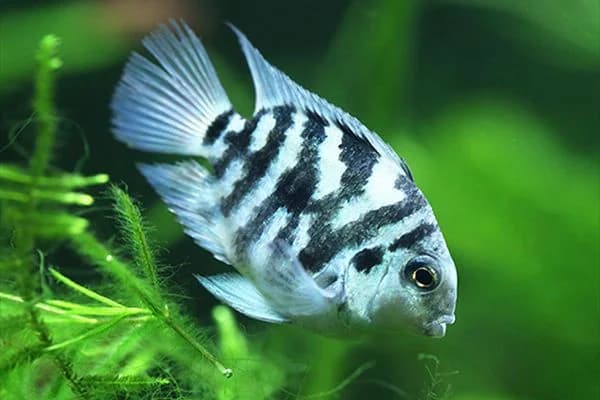
The blue tiger parrot cichlid is a hybrid cichlid developed from selective breeding programs involving blood parrot cichlids and other large Central American cichlid hybrids. They display the rounded, compact body shape characteristic of parrot cichlids with a variable purple to blue-violet body coloration and dark tiger-stripe patterning. Like other parrot cichlid varieties, their body shape is the result of hybridization and selective breeding rather than any naturally occurring species.
As a captive-bred hybrid, the blue tiger parrot cichlid has no wild habitat. Their care requirements are similar to blood parrot cichlids, derived from their Central American cichlid ancestry: warm, well-maintained water, a spacious tank, omnivore diet, and consideration for their behavioral needs.
Blue tiger parrot cichlid care is easy to moderate. Their hybrid nature makes them generally hardy, and their large, personable behavior makes them engaging aquarium fish. They are best kept with other robust, medium-large cichlids or in species-appropriate community setups.
Basic Overview
Common Misconceptions
"They are a naturally occurring species." Blue tiger parrot cichlids are captive-bred hybrids, not a species found in the wild. Their distinctive body shape and coloration are the result of controlled breeding programs.
"Their beak-shaped mouth prevents normal feeding." The modified mouth of parrot cichlids limits some natural feeding behaviors, but they adapt well to pellets, frozen foods, and other standard cichlid foods. Their modified mouth does not prevent normal nutritional intake.
"Any dye or injection produced the blue color." Reputable blue tiger parrot cichlids achieve their coloration through selective breeding rather than artificial dyeing. When purchasing, choose fish from breeders who confirm natural coloration. Dyed fish have dramatically faded color after 6-12 months.
"They can be kept in small tanks." Blue tiger parrot cichlids reach 6-8 inches and are active fish. A minimum 55-gallon tank is required for a single fish; groups need 75 gallons or more.
Recommended Setup
- 55+ gallon tank (single fish); 75+ for groups
- Smooth caves and hiding spots
- Sand or fine gravel substrate
- Robust filtration (cichlids produce significant waste)
- Open swimming space with decorated perimeter
- Compatible robust tank mates or species-only group
Diet
Blue tiger parrot cichlids are omnivores that accept most cichlid foods:
- High-quality cichlid pellets (smaller size preferred due to modified mouth)
- Frozen bloodworms
- Frozen brine shrimp
- Blanched peas (for digestive health)
- Frozen mysis shrimp
Feed once or twice daily. Their modified mouth shape means they handle smaller pellets better than large cichlid pellets. Soaking pellets briefly before feeding can make them easier to consume. A varied diet maintains the best health and most vivid coloration.
Personality
Blue tiger parrot cichlids are among the most personable of all cichlids. They recognize individual keepers, respond to human presence at the glass, and develop genuine interactive relationships with their owners. Their large, expressive eyes and animated behavior make them engaging long-term fish.
Their moderate territorial behavior is manageable in appropriately sized tanks. They establish and defend a preferred area but are generally less aggressive than many pure-species Central American cichlids of similar size.
Their blue-violet body coloration with dark tiger markings is distinctive and attractive in motion. Against a well-decorated cichlid tank with smooth rocks and wood, their color shifts with angle and lighting in an appealing way.
Water Parameters
Blue tiger parrot cichlids thrive in standard tropical cichlid conditions:
- pH: 6.5-7.8
- Hardness (gH): 8-18 dGH
- Temperature: 76-82 degrees F
- Ammonia and Nitrite: 0 ppm
- Nitrate: below 20 ppm
Here are some top tips to deal with unwanted parameters:
- Stable, warm water is important. Temperature drops below 74 degrees F cause immune suppression.
- Good filtration is essential in cichlid tanks. Weekly 25-30% water changes and robust mechanical/biological filtration are required.
- Neutral to slightly alkaline water suits them well.
- Avoid any sudden large water changes that shock the system.