Synodontis Petricola Care Guide
A Complete Care Guide for Synodontis petricola
Introduction
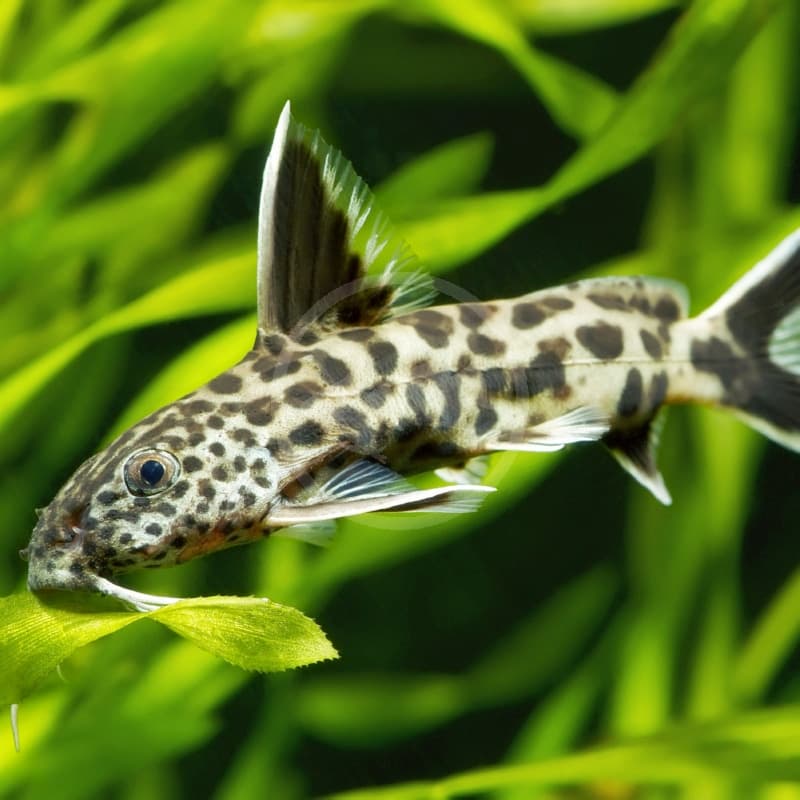
Synodontis petricola, the pygmy cuckoo catfish (or petricola catfish), is a small, social catfish from Lake Tanganyika in East Africa. Their attractive spotted pattern, manageable adult size of 4 inches, and active social behavior make them one of the most recommended Synodontis species for the home aquarium. Like their larger relative S. multipunctatus, they are brood parasites of mouthbrooding cichlids.
Endemic to Lake Tanganyika, S. petricola inhabits the rocky benthic zone and is found in groups among boulders. Their small size relative to other Synodontis and their highly social nature make them suitable for smaller tanks than most other species in the genus.
Petricola catfish care is easy to moderate. They are hardy, social, and accept most foods. Their ideal setting is a Tanganyikan cichlid aquarium where their natural behavior and water chemistry requirements are both met.
Basic Overview
Common Misconceptions
"They are the same as multipunctatus." S. petricola is smaller (4 inches vs 6 inches), more social, and more active during the day than S. multipunctatus. They are a better choice for smaller Tanganyikan setups.
"They can be kept alone." Groups of 4 or more are strongly recommended. Solo petricola catfish are secretive and inactive compared to socially kept groups.
"Any aquarium suits them." Their Lake Tanganyika origin means they need hard, alkaline water. Soft, acidic community tank conditions are inappropriate.
"They are strictly bottom dwellers." Petricola catfish actively swim at mid-water level in groups, making them more visible than typical bottom-dwelling catfish.
Recommended Setup
- 40+ gallon tank
- Rocky decor with caves
- Hard alkaline water
- Good filtration and oxygenation
- Crushed coral substrate
- Compatible Tanganyikan tank mates
Diet
Synodontis petricola are omnivores that accept most standard aquarium foods:
- Sinking pellets as a staple
- Frozen bloodworms
- Frozen brine shrimp
- Blanched vegetables
- Algae wafers
Feed once daily. They are unfussy, enthusiastic feeders that compete well at feeding time in a Tanganyikan cichlid setup. A varied diet maintains good health and coloration.
Personality
Petricola catfish in groups are among the most active and social small catfish available. They swim together through the rocky aquascape, explore caves and crevices as a group, and interact constantly. Their social dynamics are more visible and engaging than most catfish species.
Their smaller size relative to S. multipunctatus makes them accessible for moderately sized Tanganyikan setups. A group of 6 petricola catfish in a 55-gallon Tanganyikan setup alongside shell-dwellers or small cichlids is a complete and dynamic display.
Their brood parasitism, while less studied than S. multipunctatus, occurs in the same manner and is equally fascinating when observed with appropriate mouthbrooding hosts.
Water Parameters
Synodontis petricola come from the hard, alkaline, oxygenated Lake Tanganyika:
- pH: 7.5-9.0
- Hardness (gH): 10-20 dGH
- Temperature: 73-82 degrees F
- Ammonia and Nitrite: 0 ppm
- Nitrate: below 20 ppm
Here are some top tips to deal with unwanted parameters:
- Hard, alkaline Lake Tanganyika conditions are important.
- Crushed coral substrate buffers pH passively.
- Good oxygenation is important for all Tanganyikan fish.
- Weekly 25-30% water changes maintain good conditions.