Pristella Tetra Care Guide
A Complete Care Guide for Pristella maxillaris
Introduction
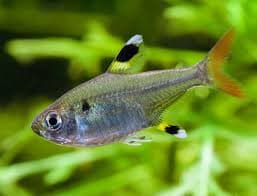
Pristella maxillaris, the pristella tetra (also called the X-ray tetra or golden pristella), is a small, elegant tetra notable for its partially transparent body with visible internal organs and its distinctive black-and-white patterned dorsal and anal fins. They are among the hardiest and most adaptable tetras available, tolerating a very wide range of water conditions.
Native to the Orinoco and Amazon river basins and coastal rivers of Venezuela, Guyana, and Brazil, pristella tetras inhabit a remarkable range of water conditions from freshwater to brackish coastal systems. This exceptional water chemistry tolerance reflects their varied natural habitats.
Pristella tetras are excellent beginner fish: easy to care for, peaceful, hardy, and attractive. Their distinctive fin patterning, transparency, and active schooling behavior make them engaging community fish.
Basic Overview
Common Misconceptions
"They are the same as X-ray fish." The "X-ray tetra" name refers to their transparent body, but the common name is used inconsistently in the trade. True pristella tetras (Pristella maxillaris) are the robust, fin-patterned species described here.
"They need soft acidic water." Pristella tetras are unusually adaptable and thrive in everything from soft, acidic water to moderately hard, slightly alkaline water. They are one of the best tetras for hard-water areas.
"They are boring compared to more colorful tetras." The combination of transparency, the vivid black-and-white flag patterns on their dorsal and anal fins, and their active schooling behavior creates an elegant and refined display that many experienced aquarists prefer to more flashy species.
"A school of 4 is adequate." Like all tetras, pristella tetras are much more active, bold, and visually impressive in groups of 8 or more.
Recommended Setup
- 15+ gallon tank for a school of 8-10
- Planted or open community setup
- Gentle to moderate flow
- Any substrate
- Good filtration
Diet
Pristella tetras are omnivores that accept all standard community foods:
- High-quality small flake or micro pellets
- Frozen bloodworms
- Frozen brine shrimp
- Frozen daphnia
Feed twice daily in small amounts. Pristella tetras are unfussy, enthusiastic feeders that accept virtually all standard community foods. A varied diet maintains the best health and coloration.
Personality
Pristella tetras are active, sociable, confident fish that form lively schools in community tanks. Their bold fin patterns catch the light as they move, creating a flickering flag-like effect in a large school.
They are among the most peaceful tetras available. They will not fin-nip, bother invertebrates, or cause problems with any peaceful tank mate. Their hardiness and peaceful nature make them one of the most recommended tetras for beginner community tanks.
Their tolerance of brackish conditions means they are also suitable for lightly brackish setups housing brackish-tolerant fish like figure-eight puffers or mollies, making them unusually versatile.
Water Parameters
Pristella tetras are exceptional in their water chemistry tolerance:
- pH: 6.0-8.0 (exceptional range)
- Hardness (gH): 5-25 dGH
- Temperature: 75-82 degrees F
- Ammonia and Nitrite: 0 ppm
- Nitrate: below 25 ppm
Here are some top tips to deal with unwanted parameters:
- Pristella tetras are the most water-chemistry-tolerant tetra commonly available. Standard tap water in virtually any area is appropriate.
- They can tolerate low-level brackish conditions (1-2 teaspoons of marine salt per gallon) if required for tank mate compatibility.
- Weekly 25% water changes maintain good conditions. They do not require any special water chemistry management.
- Standard tropical temperatures are appropriate. They are not particularly temperature-sensitive within the tropical range.