Albino Cherry Barb Care Guide
A Complete Care Guide for Puntius titteya (Albino Variant)
Introduction
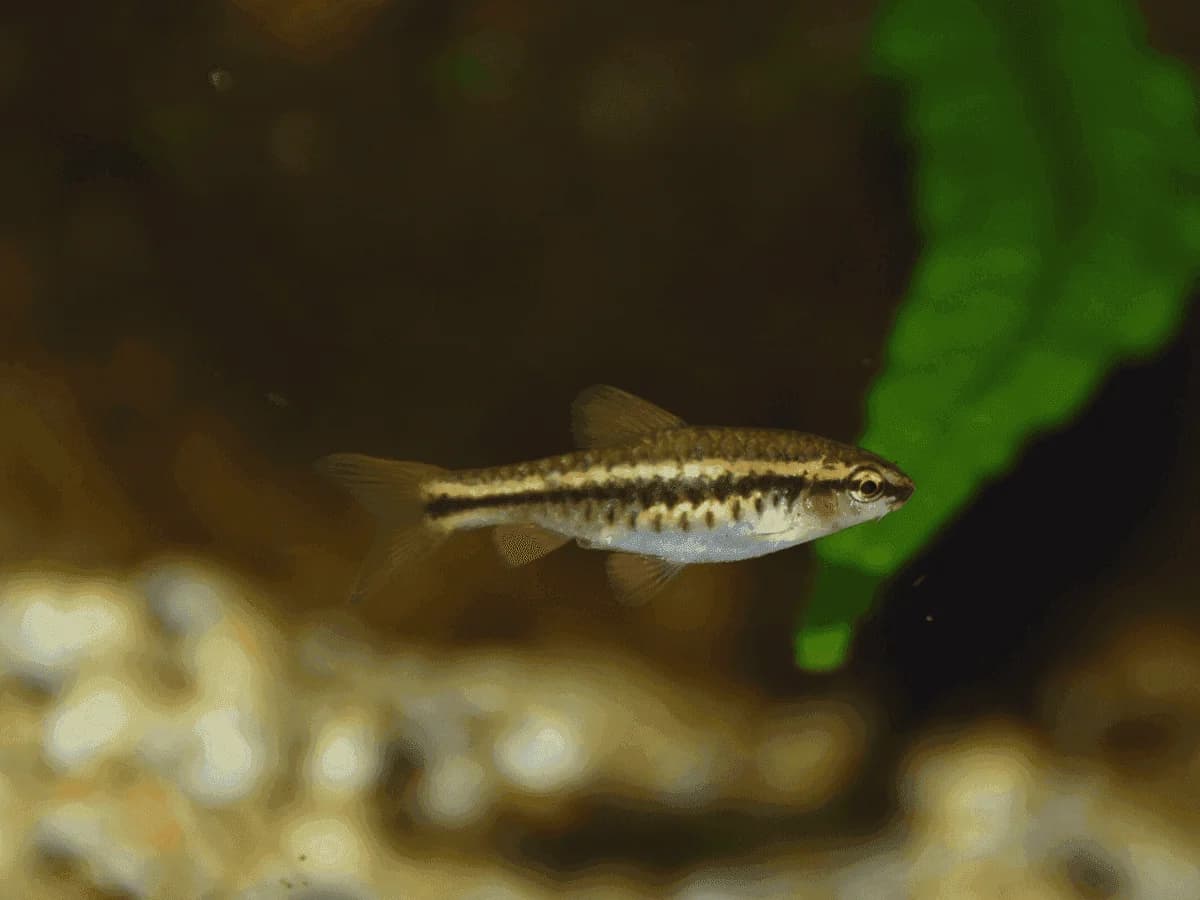
Puntius titteya, the cherry barb, is a small, peaceful barb from Sri Lanka. The albino variant lacks the typical red and dark pigmentation of the standard form, displaying instead a creamy white to pale golden body with pink eyes and subtle iridescence. While less dramatically colored than the standard cherry barb, the albino form has a delicate, attractive translucency that suits planted tanks well.
Native to shaded forest streams in Sri Lanka, cherry barbs inhabit soft, slightly acidic water with abundant leaf litter and overhanging vegetation. They are naturally shy fish that benefit from dense cover and subdued lighting in captivity.
Albino cherry barb care is easy and suitable for beginners. Their peaceful temperament, small size, and minimal water parameter demands make them excellent community fish. Care requirements are identical to the standard cherry barb.
Basic Overview
Common Misconceptions
"The albino is less healthy than the standard form." Captive-bred albino cherry barbs are healthy, robust fish when sourced from quality breeders. They share the same hardiness as the standard form.
"They need the same bright red color as standard cherry barbs." The albino form naturally lacks red pigmentation. Pale cream-white coloration with pink eyes is the normal, healthy appearance for this variant -- not a sign of poor diet or illness.
"A school of 4 is fine." Groups of 8 or more significantly reduce shyness and produce the most natural schooling behavior. Smaller groups result in more hiding and less visible activity.
"They are fin nippers." Cherry barbs, including the albino form, are among the most peaceful barbs available. Fin-nipping is not characteristic of this species in appropriate group sizes.
Recommended Setup
- 20+ gallon tank for a school of 8
- Dense planting with open swimming space
- Floating plants or tall stems to diffuse surface light
- Dark substrate to reduce stress and enhance color contrast
- Gentle to moderate flow
- Good filtration with gentle output
Diet
Albino cherry barbs are omnivores that accept most standard small community foods:
- High-quality small flake or micro pellets
- Frozen baby brine shrimp
- Frozen daphnia
- Frozen micro worms
- Crushed freeze-dried foods
Feed twice daily in small amounts. Albino cherry barbs are straightforward, non-fussy feeders. A varied diet with live or frozen protein foods maintains the best health and the most vivid pink-iridescent sheen.
Personality
Albino cherry barbs in a planted tank with a school of 8 or more are lively, visible fish that spend time in the mid-water column exploring vegetation. Their pale, almost translucent appearance under planted tank lighting gives them a soft, ethereal quality that suits aquascape-focused setups.
Males display to females and each other with fin-spreading behavior, and the competition for attention within the group adds visible social interest. Their shy nature softens considerably in larger groups with good plant cover.
They are compatible with virtually all peaceful community fish, dwarf shrimp, and snails. Their gentle temperament and small size make them ideal for community tanks with other delicate species.
Water Parameters
Albino cherry barbs come from the soft, slightly acidic forest streams of Sri Lanka:
- pH: 6.0-7.5
- Hardness (gH): 2-12 dGH
- Temperature: 72-79 degrees F
- Ammonia and Nitrite: 0 ppm
- Nitrate: below 20 ppm
Here are some top tips to deal with unwanted parameters:
- Soft, slightly acidic water produces the best health and the most vivid iridescent sheen on the albino form.
- Stable parameters are more important than exact values. Consistent weekly 25% water changes maintain stability.
- Gentle flow is important. Strong current causes chronic stress in this calm-water species.
- Indian almond leaves add tannins and a light amber color that replicates their forest stream habitat.