Platy Care Guide
The Ultimate Care Guide for Platies
Introduction
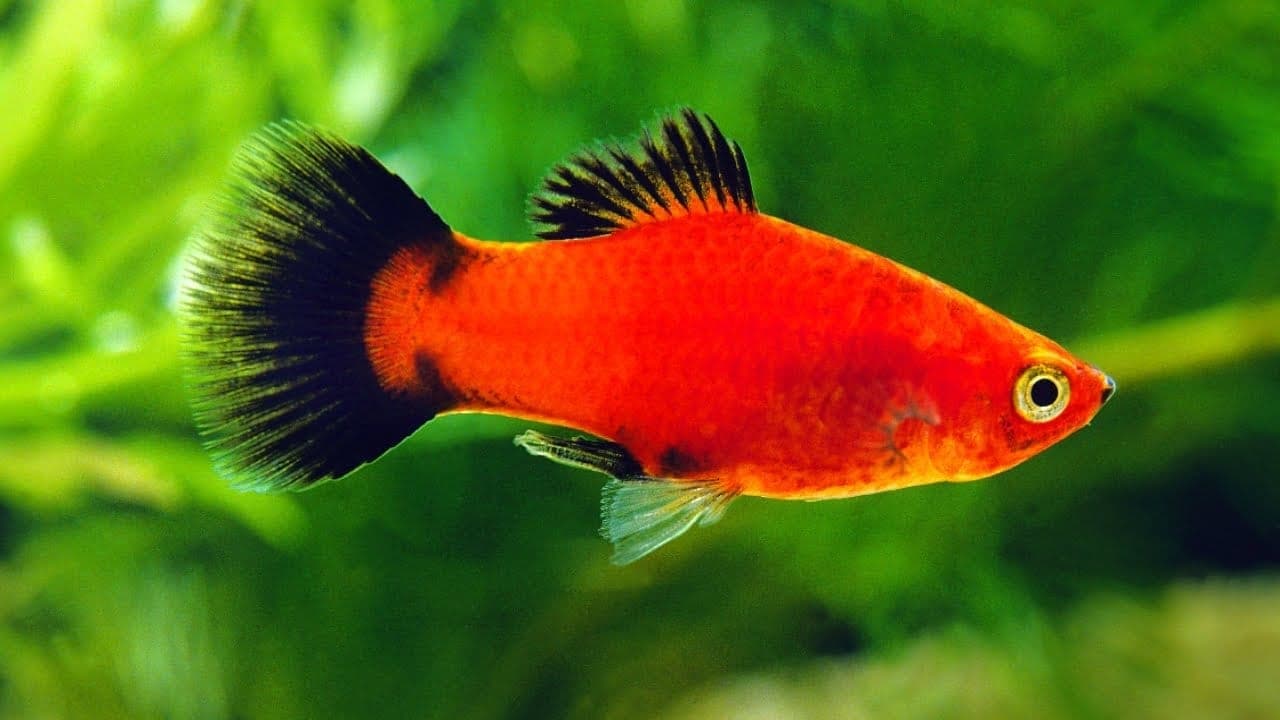
Xiphophorus maculatus, commonly known as the platy, is a colorful, adaptable, and beginner-friendly livebearer that comes in a dizzying array of color varieties. They live roughly 3–5 years in captivity and prefer temperatures of 70–78°F. They commonly reach 2–3 inches in size, with females being slightly larger than males.
Like guppies and mollies, platies give birth to live young rather than laying eggs. They breed readily in captivity, and a mixed-sex group will start producing fry quickly and without much encouragement on your part. A plan for the babies is strongly recommended before you end up with more fish than you bargained for.
Platies come in hundreds of color variations, red, blue, sunset, Mickey Mouse, rainbow, and many more, making them one of the most visually diverse freshwater fish in the hobby. Their hardy nature, peaceful temperament, and easy care make them ideal for beginners and experienced hobbyists alike.
Basic Overview
Common Misconceptions
"Platies are the same as swordtails!" Platies and swordtails are closely related, they can even interbreed, but they are different species. Swordtails are larger and have the distinctive sword-like extension on the lower tail fin that gives them their name.
"Platies don't breed very quickly!" They absolutely do. A single female can give birth every 4–6 weeks, with litters of 20–80 fry. Before you know it, you can go from a small group to a very crowded tank. Always have a plan.
"Platies don't need a heater since they're pretty tolerant of cool water!" While platies can handle cooler temperatures better than many tropical fish, they genuinely thrive with a stable 70–78°F maintained by a heater. Temperature swings cause stress and make them susceptible to disease.
"All platies look the same in the store!" Platies come in an enormous variety of selectively bred color forms. If your local store only carries one type, check out specialty fish stores or reputable online breeders, the variety is genuinely impressive.
Recommended Setup
- 10–20 gallon tank, cycled, with a lid, heater, and filter
- Live plants for cover, java fern, hornwort, and floating plants are great
- Dense planting or breeding traps if you want to raise fry
- Moderate flow
- Fine gravel or sand substrate
- Aquarium siphon
Diet
Platies are omnivores with a notable preference for plant matter, they genuinely seem to enjoy their vegetables more than most fish. A good diet includes:
- High-quality flake food or small pellets as a staple
- Blanched spinach, zucchini, or lettuce, they love these!
- Frozen or live baby brine shrimp (treat)
- Frozen or live daphnia
- Algae wafers
Feed once or twice daily in small amounts. Platies are not picky eaters and will accept almost anything. Offering a varied diet, especially one with vegetable components, helps them show their best colors and supports good health.
Personality
Platies are cheerful, easygoing fish that get along well with almost everyone. They explore all levels of the tank, engage in occasional mild squabbling with each other, but nothing serious ever comes of it. Males will display and chase females, but it rarely rises to the level of harassment in a properly sized tank.
They are curious fish that will investigate anything new added to their tank, a new decoration, a piece of food, or your hand during maintenance. They approach the world with a kind of relaxed confidence that makes them a pleasure to keep.
In a community tank, platies often act as the social glue, visible, active, and friendly, that keeps the aquarium feeling lively.
Breeding
Platies are prolific breeders and will reproduce readily in any well-maintained tank that has both males and females. Females can store sperm for months after a single mating, so even separating the sexes later doesn't immediately stop the fry from coming.
Fry are born live and free-swimming but are small enough to be eaten by adults. Dense planting, floating plants, or a separate breeding/fry tank dramatically improves survival. Java moss is especially effective as a hiding place for newborn fry.
If you don't want to breed platies, keeping only males or only females is the simplest solution. All-male platy tanks generally work well, with much less chasing than an all-male guppy tank.
Water Parameters
Platies prefer slightly alkaline, moderately hard water, similar to guppies and mollies. They are flexible but genuinely do better in harder water than in soft, acidic water. Target:
- pH: 7.0–8.0
- gH: 150–250 PPM (moderately hard)
- Temperature: 70–78°F
Here are some top tips to deal with unwanted parameters:
- To increase hardness and raise pH, use crushed coral in your filter. This is especially helpful if your tap water is soft and acidic.
- To lower pH gently, use driftwood or Indian almond leaves in the tank.
- Do weekly 20–30% water changes to keep nitrates under control, especially important if you have fry in the tank.
- Remember, using random chemicals is not recommended, since they can cause more problems through sudden, drastic changes.