Otocinclus Care Guide
The Ultimate Care Guide for Otocinclus
Introduction
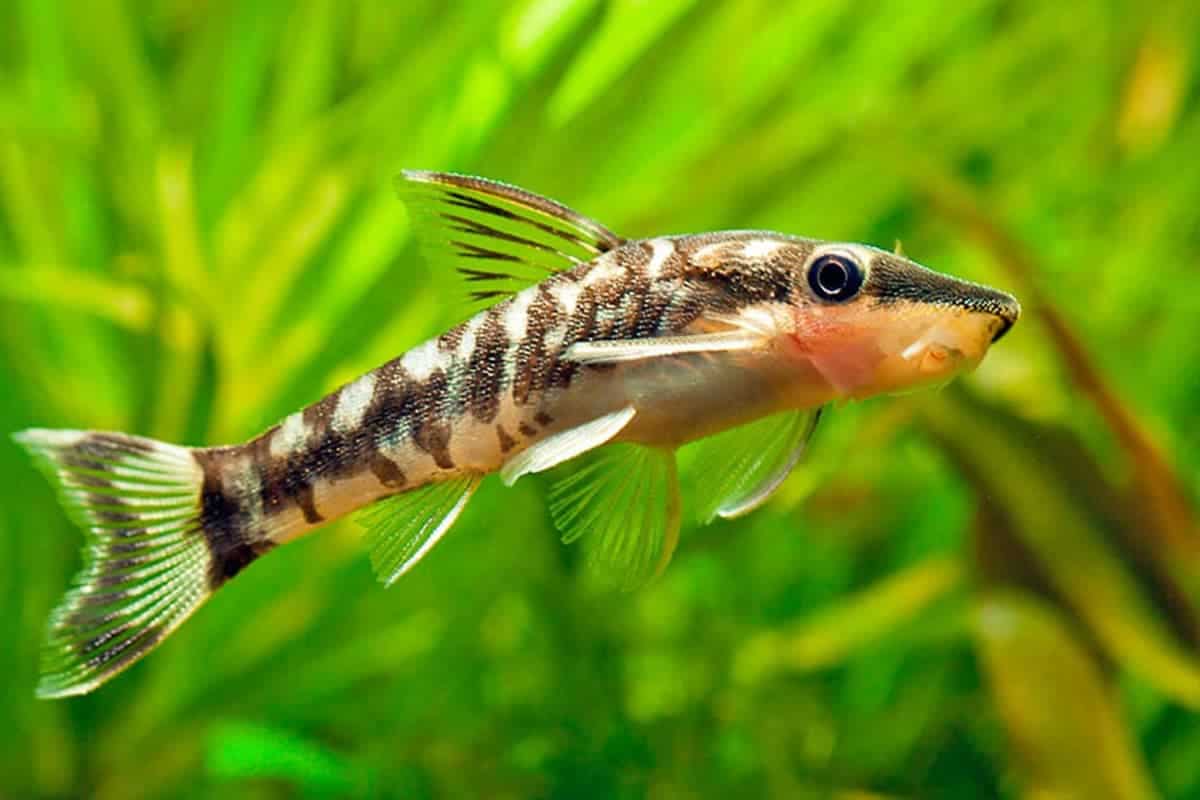
Otocinclus spp., commonly known as otos or otocinclus catfish, are tiny, peaceful algae-eating catfish native to South America. They live roughly 3-5 years in captivity and prefer temperatures of 72-79 degrees Fahrenheit. They commonly reach 1-2 inches in size, making them one of the smallest catfish kept in the hobby.
Otos are specialized soft algae grazers and spend virtually all of their time moving across glass, plant leaves, and hardscape, rasping at the thin film of soft algae and biofilm that develops on surfaces. They are genuinely excellent at this job, and a group of otos working over a planted tank is one of the most useful and entertaining things to observe.
Despite their hardiness once established, otos are notoriously difficult to acclimate. The majority of deaths occur in the first few weeks after purchase. A mature, well-established tank with a healthy biofilm is essential before adding them.
Basic Overview
Common Misconceptions
"Otocinclus are hardy beginner fish because they're so common in stores!" Otos are notoriously delicate during acclimation and the first few weeks in a new tank. They need a fully mature, established tank with existing algae and biofilm. Adding them to a new or sterile tank is a recipe for losses.
"One or two otos is enough to clean a tank!" Otocinclus are social fish that do much better in groups of at least 4-6. Lone otos are often stressed and more prone to hiding and refusing to eat. A group is more active and more effective at algae control.
"Otos will eat any type of algae!" Otos specialize in soft green algae and biofilm. They do not eat black beard algae, green spot algae on glass, or hair algae effectively. Matching your algae problem to the right animal matters.
"Otos don't need supplemental feeding since they eat algae!" In most tanks, natural algae growth is not sufficient to sustain a group of otos long-term. Regular supplemental feeding with blanched vegetables and algae wafers is essential for their health.
Recommended Setup
- 10+ gallon tank, mature and well-cycled, with a lid, heater, and gentle sponge filter
- Established biofilm and soft algae growth on surfaces before adding otos
- Live plants (they love grazing on broad leaves like anubias and java fern)
- Driftwood and smooth hardscape surfaces for grazing
- Fine substrate
- Gentle flow, they prefer calm water
- Aquarium siphon
Diet
Otocinclus are specialized herbivores that primarily eat soft algae and biofilm. In most tanks, supplemental feeding is necessary to keep them healthy. They enjoy:
- Soft green algae and biofilm (naturally occurring in established tanks)
- Blanched zucchini, cucumber, and spinach (a staple supplement)
- Algae wafers, particularly those with high spirulina content
- Repashy gel foods designed for herbivorous fish
- Blanched broccoli and kale (occasional variety)
Feed supplemental vegetables every 1-2 days and remove uneaten food after 24 hours. Otos can be shy about approaching food at first. Feeding after lights out often helps, as they tend to be more active and bold in lower light.
Personality
Otocinclus are busy, industrious little fish that are almost always in motion. They dart from surface to surface, moving with surprising speed for such small fish, and can often be seen working methodically across every leaf and pane of glass in the tank.
In a group, they often rest together in clusters, piled on top of the same broad plant leaf or piece of driftwood. Finding a pile of sleeping otos tucked onto an anubias leaf is one of the little joys of keeping them.
They are completely peaceful and will never bother any other tank inhabitant. The only downside is their sensitivity, which makes the first few weeks stressful. Once past the acclimation period, they settle in beautifully and become a reliable, long-lived part of the tank ecosystem.
Compatible Tankmates
Otocinclus are compatible with virtually any peaceful community fish. They are tiny, completely non-aggressive, and occupy a different zone of the tank from most other species. They pair wonderfully with tetras, rasboras, small danios, small livebearers, corydoras, and peaceful gouramis.
They are also excellent companions for shrimp, as they are completely harmless to even the smallest shrimp or shrimplets. A shrimp tank with a small group of otos is a natural and effective combination for planted tank maintenance.
Avoid any fish large enough to eat them, and avoid boisterous species that might stress these gentle little fish.
Water Parameters
Otocinclus prefer clean, soft, slightly acidic water. They are sensitive to ammonia, nitrites, and elevated nitrates, which is why a mature, established tank is so important before adding them. Target:
- pH: 6.5-7.5
- gH: 50-150 PPM
- Temperature: 72-79 degrees Fahrenheit
Here are some top tips to deal with unwanted parameters:
- Never add otos to a tank less than 2-3 months old. They need the established biofilm and stable parameters that only come with a mature tank.
- Drip acclimate new otos over at least 1-2 hours. They are very sensitive to sudden parameter changes, and most losses occur during or shortly after acclimation.
- Do weekly 20-25% water changes to keep nitrates low. Elevated nitrates are a common hidden cause of poor oto health.
- Remember, using random chemicals is not recommended, since they can cause more problems through sudden, drastic changes.