Molly Care Guide
The Ultimate Care Guide for Mollies
Introduction
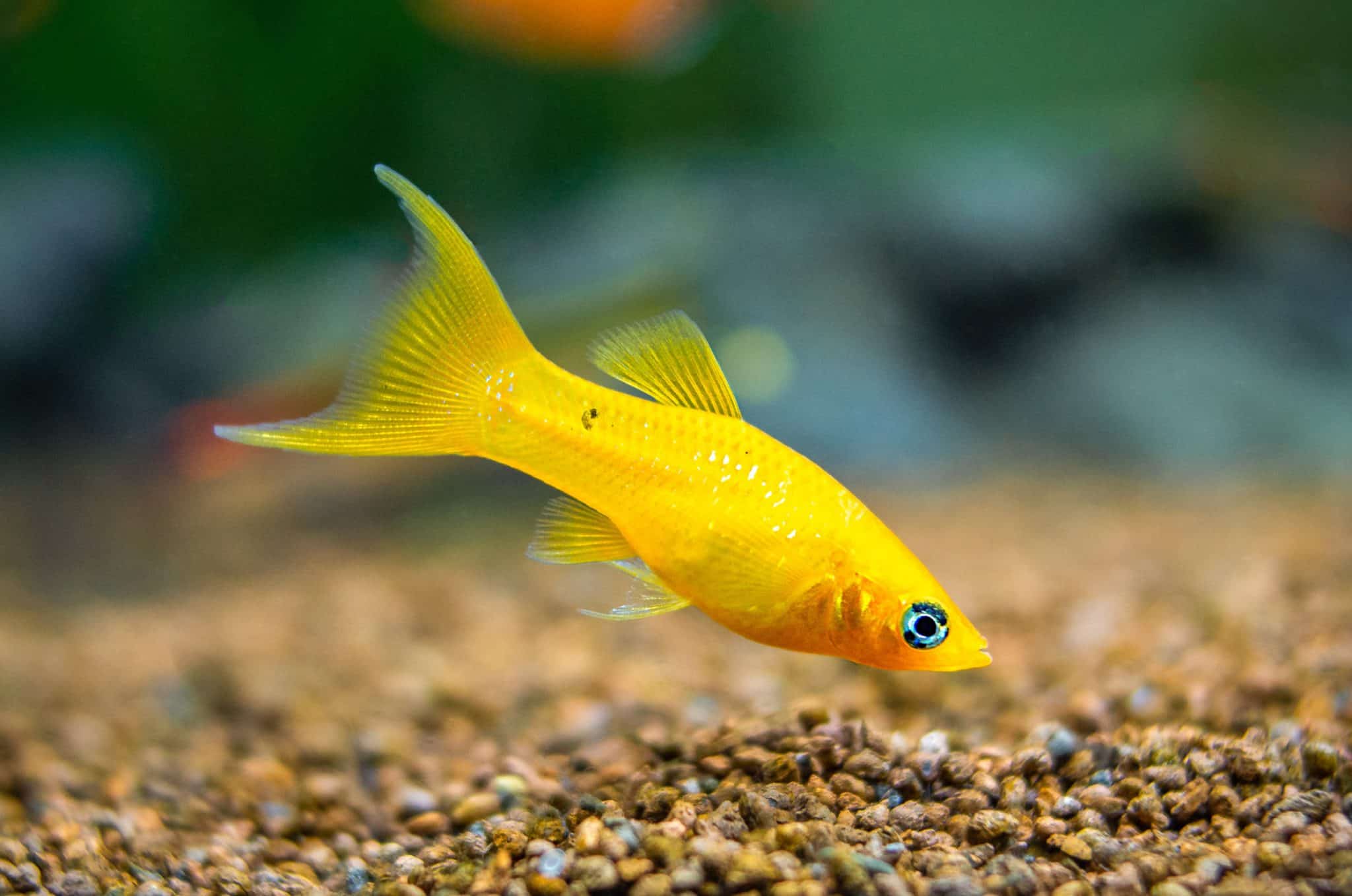
Poecilia sphenops, commonly known as the molly, is a popular, adaptable, and personable freshwater fish that comes in a wide range of body types and color forms. They live roughly 3–5 years in captivity and prefer temperatures of 70–82°F. They commonly reach 3–5 inches in size, with females typically being larger than males.
Mollies are livebearers, giving birth to live young like their close relatives the guppy and platy. What sets mollies apart is their remarkable tolerance for salt, they can thrive in freshwater, brackish water, and even full saltwater. This adaptability speaks to their resilience. Sailfin mollies (Poecilia latipinna and Poecilia velifera) are closely related species known for the dramatic, sail-like dorsal fin of the males.
Their active nature, range of colors and fin shapes, and ease of care make mollies a staple in the freshwater hobby. They are particularly popular in community tanks where their lively personality adds energy and interest.
Basic Overview
Common Misconceptions
"Mollies must have salt in their water to survive!" Mollies tolerate salt well and can even benefit from it in some circumstances, but they absolutely do not need salt to thrive in a freshwater aquarium. Salt is optional, not mandatory.
"Mollies are the same as guppies and platies!" They are all livebearers, but mollies are generally larger, have a higher salt tolerance, and tend to prefer slightly warmer and harder water than guppies or platies. Their temperament can also be a bit bolder.
"Mollies don't need much space!" Mollies are bigger than guppies and platies and are active, energetic swimmers. A 20-gallon minimum is recommended, and more space is always better, especially for sailfin varieties.
"Mollies breed slowly compared to guppies!" Mollies are prolific breeders in their own right. Females can give birth every 4–8 weeks, with litters of 20–100+ fry. As always with livebearers, have a plan before mixing males and females.
Recommended Setup
- 20–30 gallon tank, cycled, with a lid, heater, and filter
- Live plants, they graze on algae that grows on plant surfaces
- Moderate to higher flow, mollies are active swimmers that appreciate water movement
- Hiding spots for fry if you intend to raise them
- Fine gravel or sand substrate
- Optional: 1 tablespoon of aquarium salt per 5 gallons can benefit mollies
- Aquarium siphon
Diet
Mollies are omnivores with a strong preference for plant material and algae, they will graze enthusiastically on any algae that grows in the tank, which is a nice bonus. A complete diet includes:
- High-quality flake food or pellets as a staple
- Algae wafers, they genuinely love these
- Blanched spinach, zucchini, or lettuce
- Frozen or live baby brine shrimp (treat)
- Daphnia
- Any algae naturally growing on tank surfaces (they will help keep it trimmed)
Feed once or twice daily. Mollies are enthusiastic and persistent eaters that will always act hungry, do not let them fool you into overfeeding. Remove uneaten food promptly to maintain water quality.
Personality
Mollies are active, social fish with a bold personality. Males have a notably pushy streak, they will persistently chase females for breeding. This is why the standard recommendation, similar to guppies, is to keep at least two females per male to spread out the attention and reduce harassment.
In smaller or overcrowded tanks, mollies can become nippy with each other and occasionally with tankmates. In a properly sized tank with good numbers and plenty of space, they settle down considerably and become a lively, cohesive group.
One thing to watch for in mollies is a condition called "the shimmies", a shimmying, wobbly swimming motion that is typically caused by temperature stress or poor water quality. If you see this, check your parameters and temperature immediately.
Compatible Tankmates
Mollies are compatible with most peaceful community fish. They do especially well with other livebearers, guppies, platies, and swordtails, as well as small to medium tetras, rasboras, corydoras catfish, and snails.
Avoid pairing mollies with aggressive fish or very slow-moving, long-finned fish that they may occasionally nip. Bettas are a risky pairing due to the molly's occasional fin-nipping tendency and bolder personality.
If you choose to add salt to your molly tank, make sure all tankmates can also tolerate it. Most common freshwater fish cannot, so check compatibility carefully before adding any salt.
Water Parameters
Mollies prefer slightly alkaline, harder water that mirrors their natural Central American coastal habitat. They can handle a wider range than most tropical fish but genuinely thrive in harder conditions. Target:
- pH: 7.0–8.0
- gH: 150–300 PPM (hard water preferred)
- Temperature: 70–82°F
- Optional: aquarium salt at 1–2 tablespoons per 5 gallons
Here are some top tips to deal with unwanted parameters:
- To increase hardness and raise pH, use crushed coral in the filter. This benefits mollies significantly in soft-water areas.
- To lower pH gently, use driftwood or Indian almond leaves, though be aware that most mollies prefer harder, more alkaline conditions.
- Do 25–30% water changes weekly. Mollies produce a reasonable amount of waste and appreciate consistent maintenance.
- Remember, using random chemicals is not recommended, since they can cause more problems through sudden, drastic changes.