Hillstream Loaches
Keeping the remarkable fish of fast-flowing rivers
Introduction
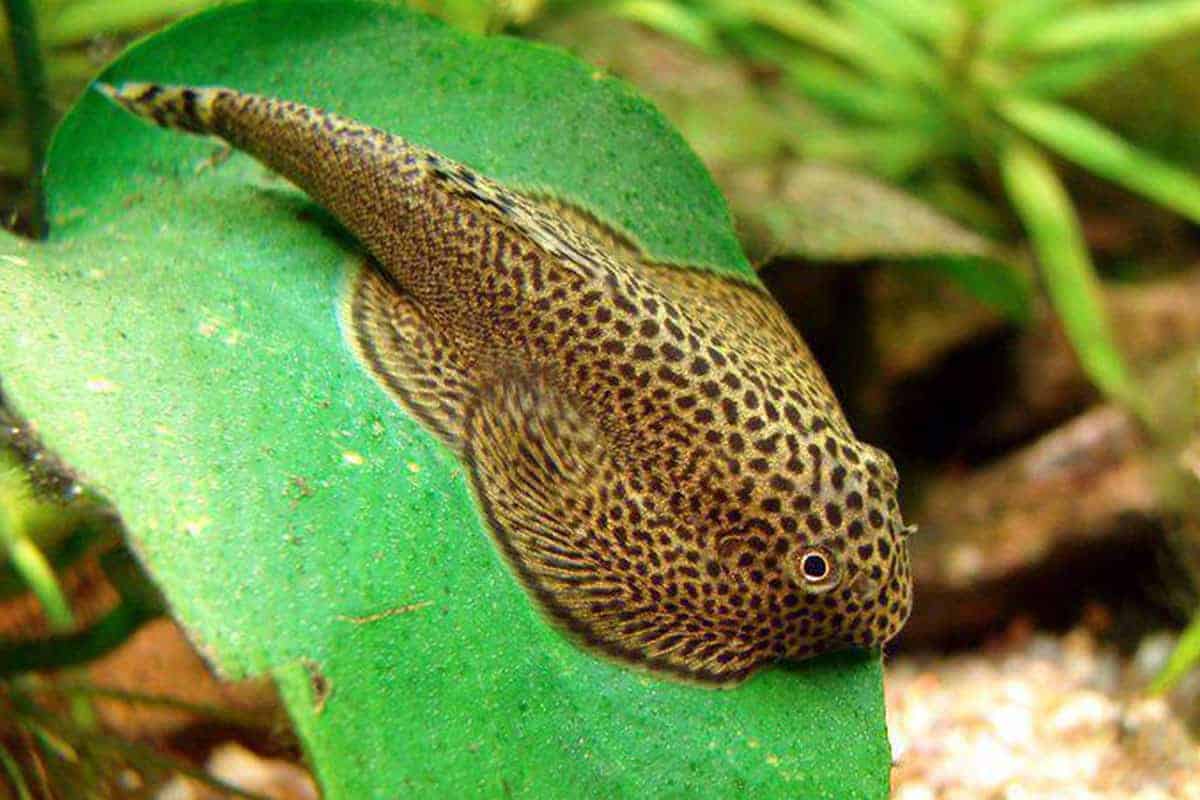
Hillstream loaches are some of the most visually distinctive fish in the freshwater hobby. Flattened like living pancakes and covered in intricate patterns, they are adapted to life in fast-moving, oxygen-rich mountain streams. They require specific conditions to thrive, but for the keeper willing to meet their needs, they are fascinating, long-lived, and endlessly entertaining to watch.
Quick Overview
Common Species in the Hobby
- Reticulated hillstream loach (Sewellia lineolata): One of the most popular. Bold reticulated pattern, grows to about 2.5 inches.
- Butterfly loach (Beaufortia kweichowensis): Wide, rounded pectoral fins give a butterfly-like appearance. Common in the trade.
- Chinese hillstream loach (Pseudogastromyzon cheni): Peaceful and hardy. Does well in groups.
- Gastromyzon species: Borneo hillstream loaches with intricate spotted patterns. Slightly more sensitive than other species.
Water Conditions
The most critical factor for hillstream loaches is flow. They come from shallow, fast-moving streams and need turnover rates of 10–20 times the tank volume per hour. A powerhead or wavemaker pointing across the tank creates the current they need.
- Temperature: 65–75F (they prefer cool water and struggle above 78F)
- pH: 6.8–7.8
- Hardness: 5–15 dGH (moderate hardness works well)
- Oxygen: very high (surface agitation is essential)
- Ammonia and nitrite: must be 0 ppm at all times
A good test: if your hillstream loaches are clinging near the surface or acting lethargic, the first thing to check is oxygen levels and water temperature. These fish are sensitive stress indicators.
Tank Setup
Hillstream loaches feel most at home in a tank that mimics their natural stream environment. Use smooth river rocks, pebbles, and a sand or fine gravel substrate. Flat rocks angled to create surfaces in the current are ideal resting spots. Plants are optional but appreciated, particularly species that tolerate or enjoy flow like Java fern, anubias, and Vallisneria.
A minimum tank size of 20 gallons is recommended for a small group. The tank does not need to be tall. Long, shallow tanks (sometimes called breeder or low-profile tanks) work excellently because they maximize horizontal surface area and keep the water well-oxygenated throughout.
Feeding
Hillstream loaches are grazing biofilm and algae feeders in the wild. In the aquarium, they rasp algae and biofilm off rocks and glass. Supplement their diet with:
- Algae wafers and sinking wafers (placed in current zones)
- Blanched vegetables: zucchini, cucumber, spinach
- Spirulina-based foods
- Occasional frozen foods: cyclops, daphnia
In a new tank, biofilm may not be established yet. Supplement heavily until the tank matures and natural grazing surfaces develop. Hillstream loaches can decline quickly if underfed, as their small size means they have little energy reserve.
Tank Mates
The best tank mates for hillstream loaches share their preference for cool, well-oxygenated, fast-moving water:
- White cloud mountain minnows (a classic pairing)
- Danios (especially giant danios or celestial pearl danios)
- Dojo loaches (if temperatures align)
- Small, cool-water rasboras
Avoid warm-water tropicals, slow-water species, or aggressive fish that might harass the loaches. Do not house hillstream loaches with common plecos, as plecos may bully them off feeding surfaces.
Breeding Hillstream Loaches
Breeding hillstream loaches in captivity is possible but uncommon. Males develop prominent tubercles (bumps) on their heads and sides during breeding condition. They are egg scatterers that deposit eggs in crevices between rocks. Fry are very small and require biofilm and fine powdered foods. Successful breeding usually happens in mature, well-established tanks with abundant biofilm and optimal water quality.