Guppy Care Guide
The Ultimate Care Guide for Guppies
Introduction
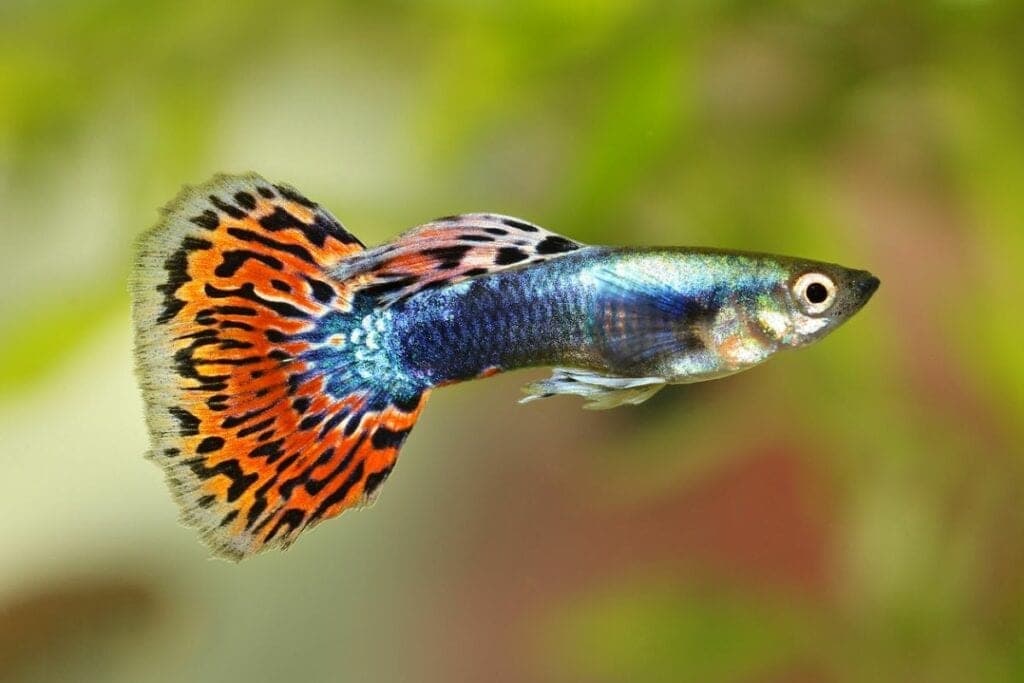
Poecilia reticulata, commonly known as the guppy, is arguably the most popular freshwater aquarium fish in the world. They live roughly 2–5 years in captivity and prefer temperatures of 72–82°F. Males typically reach 1.5 inches, while females can reach 2.5 inches. Male guppies have been selectively bred into hundreds of strains, with an astonishing variety of tail shapes, patterns, and colors.
Guppies are livebearers, meaning they give birth to live young rather than laying eggs. A single female can produce 20–100+ fry every 4–6 weeks, making population management an important part of keeping them. They are extremely hardy fish, great for beginners, but that hardiness should never be an excuse for poor care.
Their active nature, stunning colors, and ease of breeding make guppies a joy to keep, and selectively breeding for specific strains is a rewarding hobby all on its own.
Basic Overview
Common Misconceptions
"Guppies can survive in any conditions!" Guppies are hardy, but "surviving" and "thriving" are very different things. Consistently poor water quality shortens their lifespan dramatically and makes them prone to disease. They deserve proper care.
"Just keep all males and you'll have no problems!" All-male tanks can work, but males will sometimes harass each other, especially in smaller or sparsely decorated tanks. A larger tank with plenty of sight breaks helps considerably.
"More guppies are always better!" Guppies breed fast. Without a clear plan for the fry, you can go from a few fish to catastrophically overstocked in just a couple of months. Have a plan before mixing males and females.
"Guppies are great tankmates for any fish!" Male guppies have beautiful, flowing tails that are irresistible to fin nippers. Keeping them with species like tiger barbs, bettas, or serpae tetras can end very badly for the guppy.
Recommended Setup
- 10+ gallon tank, cycled, with a lid, heater, and filter
- Dense planting or breeding traps if you plan to raise fry
- Moderate flow, guppies are active swimmers but don't love extreme currents
- Fine gravel or sand substrate
- Plenty of swimming space at all tank levels
- Aquarium siphon
Diet
Guppies are omnivores and will eat almost anything you offer them. A varied diet is the best way to keep them healthy and bring out vibrant colors. Good choices include:
- High-quality flake food or micro pellets as a staple
- Frozen or live baby brine shrimp
- Frozen or live daphnia (excellent for digestive health)
- Frozen bloodworms (treat)
- Blanched spinach or zucchini, some guppies love these, others ignore them
- Algae wafers
Feed small amounts once or twice per day. Guppies are prone to bloat if overfed, so moderation is key. Fasting them one day a week is a great habit. With fry in the tank, spreading feedings throughout the day improves their survival rate.
Personality
Guppies are active, social, and endlessly entertaining fish. Males will constantly display their fins and colors to females and to each other, which makes for a dynamic, lively tank. They are always moving, always exploring, and always curious.
Females can sometimes be harassed relentlessly by males in smaller tanks. The standard recommendation is at least two females per male to spread out the attention. Providing dense planting and hiding spots also gives females a safe space to take a break.
In a well-set-up tank with the right ratio of fish, guppies are just cheerful, non-stop little fish that make even a simple aquarium look lively.
Breeding
Guppies breed readily and prolifically with almost no effort on your part, if you have males and females together, babies are coming whether you planned for them or not. A female can store sperm for months and continue producing fry long after being separated from males.
Fry are born fully formed and immediately free-swimming. They are small enough to be eaten by most adult fish, including their own parents. Dense planting, floating plants, or a separate breeding tank dramatically improves fry survival.
If you want to selectively breed for specific traits, tail type, color pattern, fin shape, separating strains and keeping detailed records is where the real fun begins. Guppy breeding is a serious hobby with dedicated enthusiasts worldwide.
Water Parameters
Guppies are adaptable, but they actually prefer slightly hard, alkaline water, a bit different from many other tropical fish. Target parameters:
- pH: 7.0–8.0
- gH: 150–250 PPM (moderately hard water)
- Temperature: 72–82°F
Here are some top tips to deal with unwanted parameters:
- To increase gH and raise pH, use crushed coral or aragonite in your filter. This also provides a steady calcium source that benefits guppies.
- To lower pH, use driftwood or Indian almond leaves, though most tap water is suitable for guppies without any adjustment.
- Do weekly 20–30% water changes to keep nitrates in check, especially in tanks with fry.
- Remember, using random chemicals is not recommended, since they can cause more problems through sudden, drastic changes.