Driftwood in the Aquarium
Types, Preparation, and the Benefits of Going Natural
Introduction
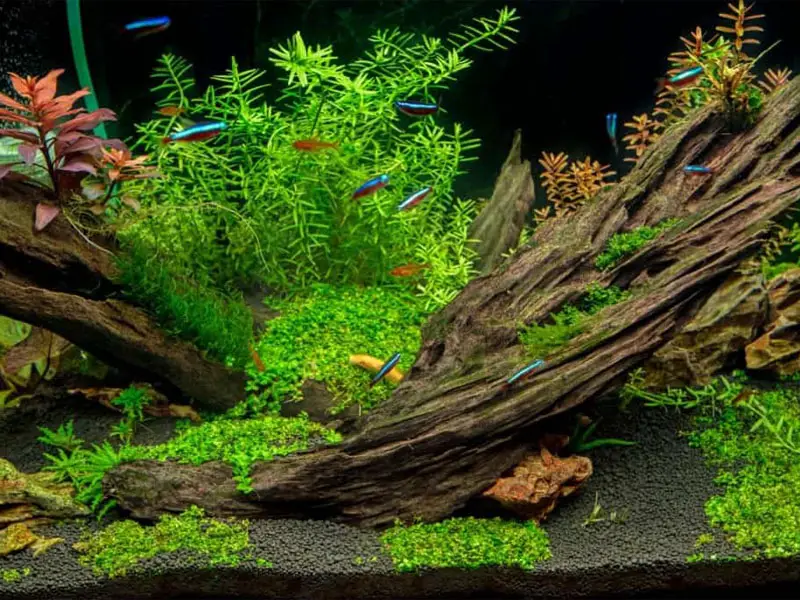
Driftwood is one of the most transformative additions you can make to an aquarium. A single well-chosen piece of driftwood changes the entire character of a tank: it creates natural focal points, provides hiding spots and territory markers, releases beneficial tannins, and gives the tank an immediate sense of age and authenticity that no artificial decoration can match.
Not all driftwood is created equal, however. Different wood types behave very differently in water, and understanding those differences before you buy saves considerable frustration.
Quick Overview
Types of Aquarium Driftwood
Malaysian Driftwood
Malaysian driftwood and Mopani wood are both common dense aquarium hardwoods, but they are not the same product. Malaysian driftwood is usually dark, heavy, and sinks quickly. Mopani wood often has a two-toned look with pale outer wood and darker heartwood. Both are long-lasting, develop natural biofilm that shrimp and small fish graze on, and can release significant tannins during the first few weeks.
Spider Wood (Azalea Root / Rhododendron Root)
Spider wood has a delicate, branching structure with many thin arms that create a natural root or branch effect. It is visually dramatic and extremely popular in aquascaping. It is less dense than Malaysian driftwood and floats initially, requiring soaking or anchoring. It decomposes faster than hardwoods, developing a fuzzy white fungal coating in the first few weeks (harmless, consumed by shrimp, disappears on its own). Moderate tannin release.
Cholla Wood
Cholla is the dried skeleton of the cholla cactus, with a distinctive tubular shape full of holes. It is very popular in shrimp tanks because the hollow structure provides excellent hiding and foraging space. It decomposes relatively quickly (six to twelve months in water) but is inexpensive enough to replace. Minimal tannin release.
Cork Bark
Cork bark is harvested from cork oak trees and is naturally buoyant, making it better suited to paludariums or as an above-water hardscape element. Submerged cork can be waterlogged and anchored; it is very slow to decompose and looks natural. Used in both planted tanks and reptile enclosures.
Catappa (Indian Almond) Wood
Terminalia catappa roots and branches are increasingly available in the hobby. They are a natural complement to Indian almond leaves and release significant tannins. They are most authentic in South American or Southeast Asian biotope setups.
Preparing Driftwood for the Aquarium
New driftwood almost always requires preparation before going into the tank. Skipping this step leads to dramatically discolored water, floating wood, and potential contamination.
Boiling
Boiling driftwood for one to four hours (for smaller pieces) sterilizes it, begins waterlogging it so it sinks, and drives out a substantial portion of the tannins that would otherwise discolor the tank. Use the largest pot you have, or do it in sections for large pieces. The boiling water will turn very dark; this is tannins you are removing from the tank.
Soaking
For pieces too large to boil, extended soaking in a bucket of water (one to four weeks, with regular water changes) achieves similar results more slowly. The longer you soak before adding to the tank, the less discoloration you will see.
Accepting the Tannins
Many hobbyists, particularly those keeping blackwater setups, deliberately skip the tannin-removal step. Tannin-stained water is not harmful and is beneficial in many contexts. If you prefer clear water, activated carbon in the filter removes tannin discoloration after the wood is in the tank.
Always buy driftwood sold specifically for aquarium use. Driftwood collected from outside (ponds, rivers, beaches) may harbor parasites, bacteria, pesticide residues, or heavy metals. The risk is not worth the cost savings.
Making Wood Sink
Freshly collected or lightly soaked wood often floats, which is frustrating when you are trying to aquascape. Several approaches work:
- Extended soaking (days to weeks) waterlogs the wood until it sinks on its own
- Attach to a flat stone using aquarium-safe superglue or thin fishing line until the wood becomes waterlogged
- Drill a hole in the wood and screw a stainless steel bolt through it into a flat piece of slate
- Tie moss or plants over the wood to add weight and anchor it to decor while it waterlogs
White Fuzz on New Driftwood
A white, cottony fungal growth on new driftwood is one of the most commonly alarming-looking but completely harmless phenomena in the hobby. It is a natural fungal bloom responding to organic compounds in the wood surface, appears within the first one to four weeks, and disappears on its own as those compounds are consumed.
Shrimp and many small fish eat the fungus enthusiastically. You can also remove it manually with a toothbrush during a water change. It will not harm fish or plants, and its disappearance signals that the wood has finished its initial curing process.