Comet Goldfish Care Guide
The Ultimate Care Guide for Comet Goldfish
Introduction
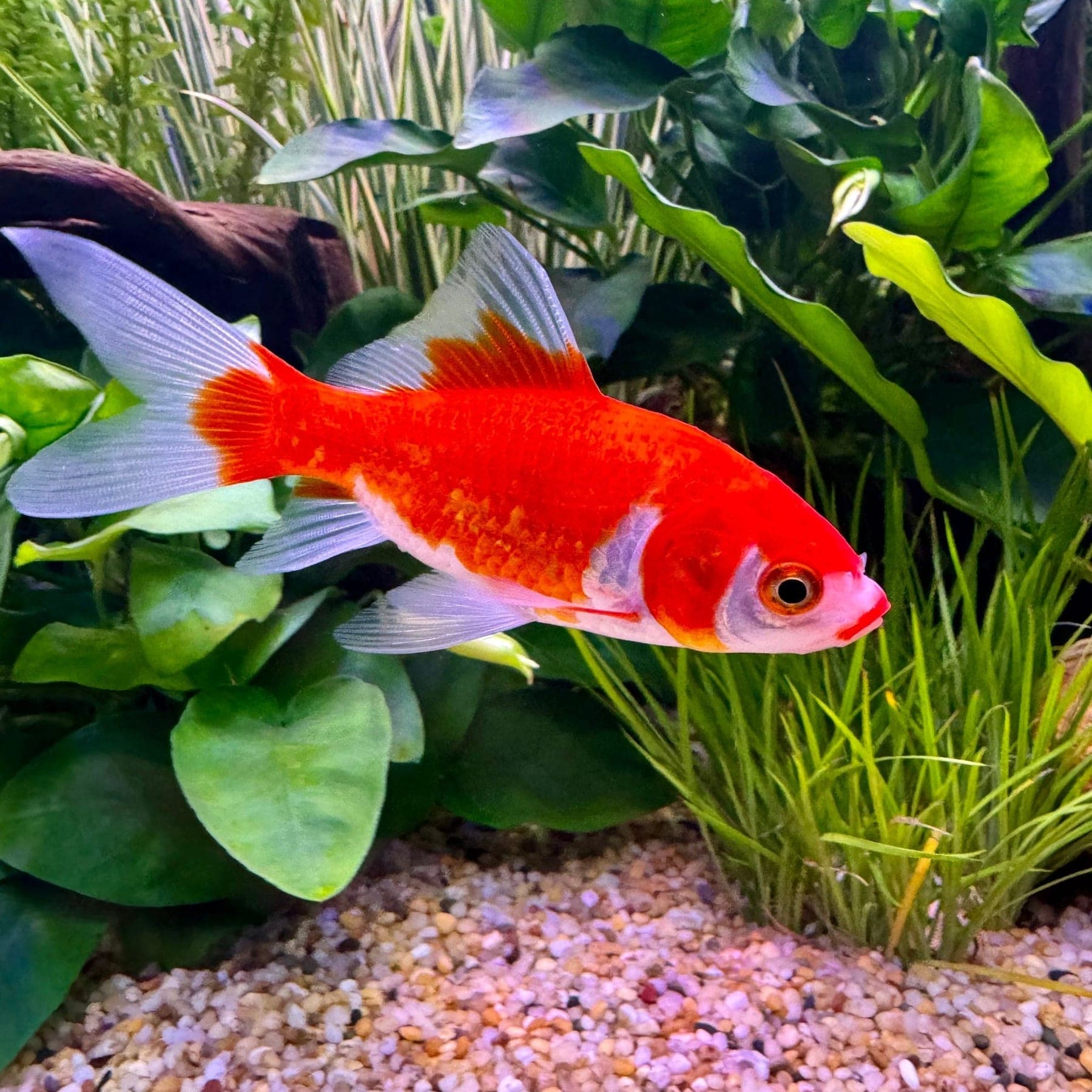
Carassius auratus, commonly known as the goldfish, has been kept in captivity for over a thousand years. The comet is a single-tailed variety recognized by its slender body and long, deeply forked tail. They live remarkably long lives, 10–15 years is common, and some individuals reach 20+ years with proper care. They are true cold-water fish, preferring temperatures of 50–70°F without a heater.
Comet goldfish are fast, active swimmers that can reach impressive sizes, commonly 10–12 inches in a spacious environment. This is the detail most people miss when they buy a tiny comet from the pet store, and it's the main reason these fish are so often kept in conditions that are far too small for them.
Given the space to thrive, comet goldfish are spectacular animals. They recognize their owners, are highly interactive, and their flowing tails catching the light in a pond or large tank is genuinely beautiful. They just need the right setup to get there.
Basic Overview
Common Misconceptions
"Goldfish are starter fish that only need a bowl!" This is perhaps the most widespread misconception in the entire aquarium hobby. Comet goldfish grow to 10+ inches, live for decades, and produce enormous amounts of waste. A bowl is, in practice, a slow death sentence.
"Goldfish only grow to the size of their container!" Goldfish kept in small containers appear stunted because they are stunted, by poor water quality, ammonia buildup, and chronic stress. This stunting causes organ damage and dramatically shortens their lifespan.
"Goldfish have a 3-second memory!" This popular myth has been thoroughly debunked. Goldfish can remember things for months and can even be trained to perform simple tasks. They are smarter than people give them credit for.
"Goldfish are tropical fish that need a heater!" Comets are cold-water fish and do not need or want a heater. They can survive near-freezing temperatures, though 50–70°F is the sweet spot for long-term health and activity.
Recommended Setup
- 75+ gallon tank or outdoor pond, cycled, with powerful filtration
- Filtration rated for at least double the tank volume, goldfish are extremely messy
- Smooth gravel or sand substrate (they love sifting through the bottom)
- Sturdy, low-light tolerant plants, they will eat or uproot delicate varieties
- No heater needed for comet goldfish
- Aquarium siphon (you will use this a lot)
Diet
Comet goldfish are omnivores and enthusiastic, almost aggressive, eaters. They will always act hungry, don't let them fool you. A good diet includes:
- High-quality sinking goldfish pellets, sinking is preferred over floating to reduce air gulping and swim bladder issues
- Blanched vegetables: zucchini, peas (skin removed), spinach, lettuce, cucumber
- Frozen or live brine shrimp (treat)
- Daphnia, great for digestive health and a fun, live food option
- Never feed processed human food, bread, crackers, or high-fat foods
Feed once or twice daily, only what they can consume within a few minutes. Peas with the skin removed are a classic goldfish remedy for constipation and swim bladder problems, keep some in the freezer.
Personality
Comet goldfish are highly interactive and quickly learn to associate their owners with food. They will congregate at the front of the tank or the pond edge when they see you, begging enthusiastically. It sounds silly, but it's genuinely endearing.
They are fast, energetic swimmers that need ample space. In a properly sized setup, watching a comet streak around is exciting, their long tails flutter behind them beautifully, especially when light catches the metallic shimmer of their scales.
Comets are highly social and do best when kept in groups of their own kind. A single comet in a large tank will be active, but a group of comets in a well-sized pond is where the species truly shines.
Compatible Tankmates
Comet goldfish present some unique challenges as tankmates. Their size, speed, cold-water requirements, and voracious appetite all limit the options considerably.
The best tankmates are other single-tailed goldfish varieties: commons, shubunkins, and other comets. Fancy goldfish varieties are generally not recommended, comets are far faster and will consistently outcompete fancies for food, eventually leading to the fancy's decline.
White cloud mountain minnows and certain danio species can sometimes be kept with goldfish due to their cold-water tolerance. Avoid any fish that needs warm tropical water, those species simply cannot share a comet's environment.
Water Parameters
Goldfish are relatively tolerant of a range of parameters, but their enormous waste output means water quality can deteriorate rapidly. Consistent maintenance is more important than perfect chemistry. Target:
- pH: 7.0–8.0
- gH: 150–250 PPM
- Temperature: 50–70°F
Here are some top tips to deal with unwanted parameters:
- Goldfish produce massive amounts of ammonia. Powerful filtration and 30–50% water changes weekly are not excessive, they are necessary.
- Never undersize the filter. If anything, oversize it significantly. A filter rated for double the tank volume is a reasonable starting point for goldfish.
- Test your water regularly, especially for ammonia and nitrites. These are the most common cause of goldfish illness and death.
- Remember, using random chemicals is not recommended, since they can cause more problems through sudden, drastic changes.