Cherry Shrimp Care Guide
The Ultimate Care Guide for Cherry Shrimp
Introduction
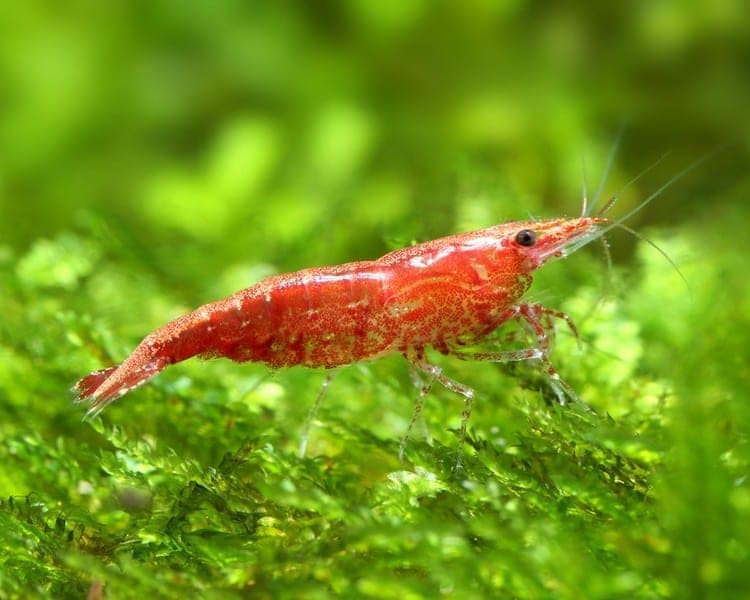
Neocaridina davidi, commonly known as the cherry shrimp or red cherry shrimp, is a small, vibrant freshwater shrimp that has taken the aquarium hobby by storm. They live roughly 1–2 years and prefer temperatures of 65–75°F. They commonly reach 1–1.5 inches in size, with females being larger and more brightly colored than males.
"Cherry shrimp" technically refers to the red color variant of Neocaridina davidi, but the same species comes in a remarkable range of colors, blue dream, golden back, chocolate, and many more, all with essentially the same care requirements.
They eat biofilm, algae, and decaying plant matter. They are completely peaceful and spend virtually all of their time actively grazing on every surface in the tank. Their vivid colors and constant, busy activity make them endlessly entertaining to watch.
Basic Overview
Common Misconceptions
"Cherry shrimp are the same as Amano shrimp!" These are completely different species with different sizes, diets, and care needs. Amano shrimp are larger, more effective algae eaters, and don't breed in freshwater. Cherry shrimp are smaller and breed prolifically.
"Shrimp don't need a cycled tank!" Cherry shrimp are actually more sensitive to ammonia and nitrites than many fish. Adding shrimp to an uncycled tank can wipe out an entire colony overnight. Always cycle first.
"Cherry shrimp will eat my live plants!" Cherry shrimp only eat dead or decaying plant matter and biofilm. They will not touch healthy, living plant tissue. In fact, they absolutely love a well-planted tank.
"You need a huge group for them to breed!" A group of just 6–10 well-fed cherry shrimp in a stable, cycled tank will start producing babies before you know it. They are prolific breeders with very little encouragement needed.
Recommended Setup
- 5–10 gallon tank, well-cycled, with a lid and sponge filter
- Live plants, java moss, java fern, and hornwort are excellent choices
- Sponge filter (critical, regular filters can suck up baby shrimp)
- Hiding spots for molting shrimp: moss clumps, caves, driftwood
- Fine sand or shrimp-specific substrate
- Indian almond leaves (optional but highly recommended)
- Aquarium siphon
Diet
Cherry shrimp are grazers and will happily pick at most things in the tank. They love:
- Biofilm (naturally develops on all surfaces in an established tank)
- Algae wafers
- Blanched vegetables: spinach, zucchini, cucumber, carrots
- Specialized shrimp foods like Shrimp King Complete or Bacter AE
- Indian almond leaves and other botanicals, these release compounds shrimp love and naturally develop biofilm
Feed small amounts every 1–2 days. Overfeeding is a far bigger problem than underfeeding with shrimp, uneaten food quickly spikes ammonia and fouls the water. Remove any uneaten food after a few hours.
Personality
Cherry shrimp are absolute busybodies. They never stop moving, constantly picking at every surface, plant leaf, and piece of substrate in the tank. Drop some food in and watch them swarm, a full feeding frenzy of cherry shrimp is one of the most entertaining things a small aquarium can offer.
When shrimp molt, they shed their old exoskeleton and become temporarily very vulnerable. They will hide for a day or two. Don't panic if you find a shrimp shell in the tank, this is completely normal and actually a sign of a healthy, growing shrimp. Leave the shell in; other shrimp will eat it for the calcium.
Baby shrimp, called shrimplets, are absolutely tiny when born and will hide in mosses and plants for the first few weeks. Spotting a shrimplet for the first time is a surprisingly exciting milestone.
Betta and Cherry Shrimp
This is one of the most debated pairings in the freshwater hobby, and for good reason: bettas are carnivores, and cherry shrimp look an awful lot like a snack to them.
That said, many keepers successfully house them together, especially in heavily planted tanks where shrimp have plenty of cover. The key variables are your betta's personality, a calm, unbothered betta is far more likely to coexist than one that attacks its own reflection, and tank size, since bigger tanks give shrimp more room to escape.
Baby shrimplets are almost always eaten, regardless of the betta's temperament. If growing a thriving colony is your goal, keeping them with a betta is a risky business. Consider a species-only shrimp tank for the best breeding results.
Water Parameters
Cherry shrimp prefer soft, slightly acidic to neutral water. They are sensitive to parameter swings, so consistency is key. Target parameters are:
- pH: 6.5–7.5
- gH: 100–200 PPM
- kH: 0–4 dKH (low to moderate)
- Temperature: 65–75°F
Here are some top tips to deal with unwanted parameters:
- Cherry shrimp are extremely sensitive to copper, never use any medication or fertilizer containing copper in a shrimp tank. Even trace amounts can be fatal.
- Always drip acclimate new shrimp over 1–2 hours. They are very sensitive to sudden parameter changes and can go into shock during a rapid transition.
- Indian almond leaves lower pH slightly and release tannins that help shrimp feel more at home and reduce stress.
- Remember, using random chemicals is not recommended, since they can cause more problems through sudden, drastic changes to your water chemistry.