Betta Care Guide
The Ultimate Care Guide for Betta Fish
Introduction
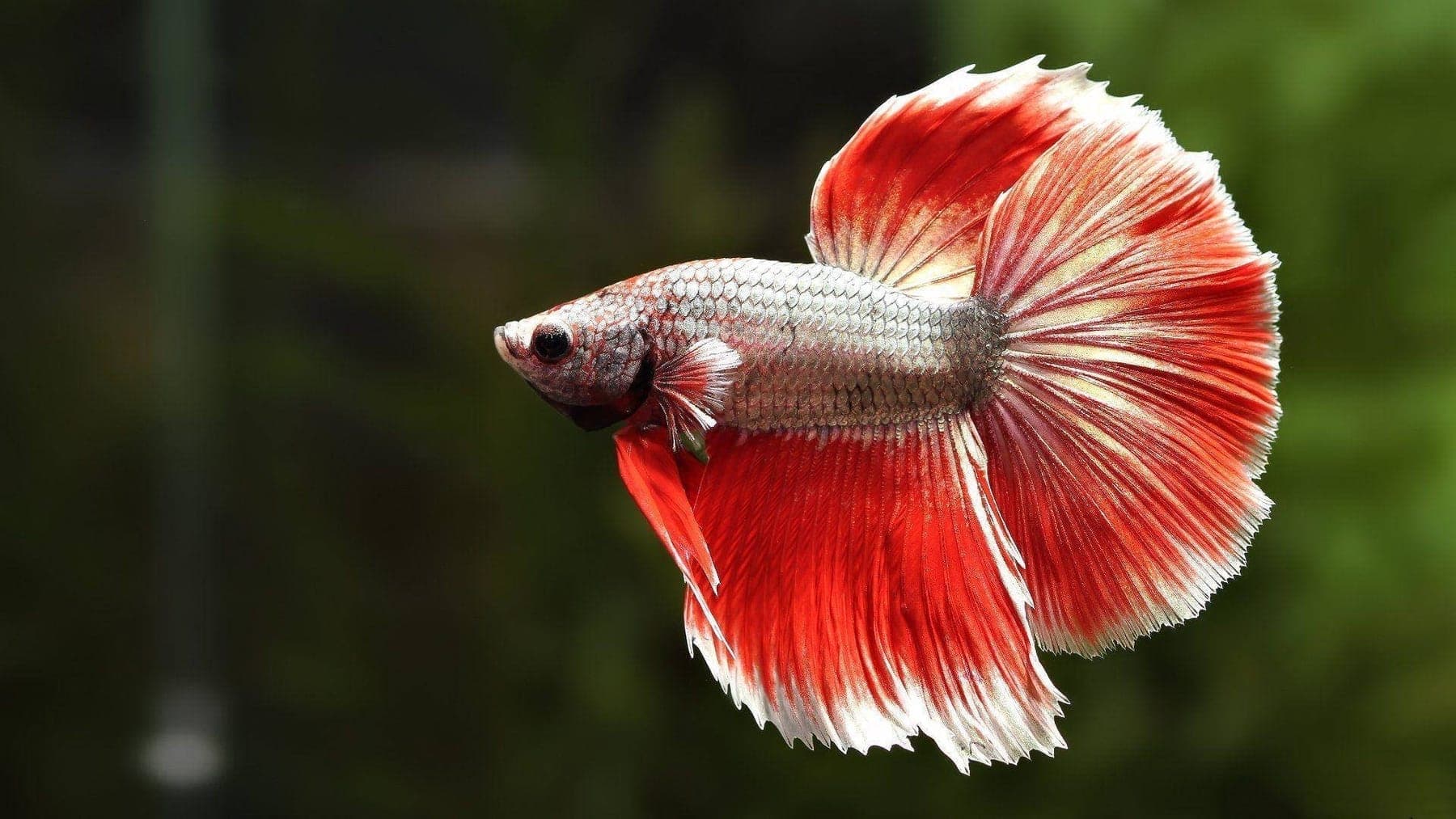
Betta splendens, also known as the Siamese fighting fish or simply the betta, is one of the most iconic fish in the aquarium hobby. They live roughly 2–5 years in captivity and prefer temperatures of 76–82°F. Males commonly reach 3 inches in size, with their flowing fins making them appear much larger. Females are generally a bit smaller and less showy, though they are equally personable.
Bettas are labyrinth fish, meaning they have a special organ called the labyrinth that allows them to breathe air directly from the surface, which is why you'll often see them swim up for a quick gulp. This also means they need access to the air above the waterline at all times.
Their stunning variety of colors, fin types, and their bold, curious personalities make bettas one of the most popular fish in the hobby. No two bettas are quite alike, which is a big part of their charm.
Basic Overview
Common Misconceptions
"Bettas can live in a cup or a small vase!" Those tiny cups in pet stores are temporary transport containers, not homes. Bettas need at least 5 gallons with a filter and heater to truly thrive.
"Bettas don't need a heater, they're hardy fish!" Bettas are tropical fish from the warm waters of Southeast Asia. Without a heater keeping them in the 76–82°F range, they become sluggish, stressed, and prone to disease.
"Two male bettas can be kept together if the tank is big enough!" This is not recommended, regardless of tank size. Male bettas will fight aggressively and can seriously injure or kill each other. Hence the name "Siamese fighting fish."
"Female bettas can always be kept together!" Female bettas can sometimes be kept in groups called sororities, but this requires a large tank, lots of hiding spots, and careful monitoring. It doesn't always work out, so have a backup plan.
Recommended Setup
- 5+ gallon tank, cycled, with a lid, heater, and gentle filter
- Live or silk plants (avoid sharp plastic plants that can tear fins)
- Hiding spots such as caves, driftwood, or dense planting
- Fine sand or smooth gravel substrate
- Minimal current, bettas are not strong swimmers and struggle in heavy flow
- Aquarium siphon
Diet
Bettas are carnivores and need a high-protein diet to stay healthy and show their best colors. They thrive on a variety of foods, including:
- High-quality betta pellets as their staple diet
- Frozen or live bloodworms (treat, 1–2 times per week)
- Frozen or live brine shrimp (treat)
- Daphnia, excellent for digestive health
- Freeze-dried options work in a pinch but should be soaked first to prevent bloat
Feed your betta once or twice a day, only what they can consume in 2–3 minutes. Overfeeding is one of the most common mistakes and leads to bloat, swim bladder issues, and fouled water. Fasting your betta one day per week is a great habit for their long-term health.
Personality
Bettas are one of the most personable fish you can keep. They recognize their owners, often swimming eagerly to the front of the tank when you approach. Don't be surprised if your betta watches you right back, they are curious, intelligent fish.
Male bettas are famous for flaring at their own reflection, at other bettas, or even at brightly colored decorations. This is completely natural behavior and fine in short bursts, but a mirror should only be used briefly for enrichment, leaving it permanently causes chronic stress.
Every betta has its own distinct personality. Some are bold explorers, others are shy homebodies. Getting to know your betta's quirks is genuinely one of the joys of keeping them.
Compatible Tankmates
Choosing tankmates for a betta is very much betta-dependent. A calm betta might coexist happily with a variety of fish; an aggressive one might terrorize anything in sight. There is no universal answer, you have to know your fish.
Good options for peaceful bettas include mystery snails, nerite snails, corydoras catfish, kuhli loaches, and ember tetras. Avoid fin nippers like tiger barbs and serpae tetras at all costs, they will shred a betta's fins. Also avoid fish that look like bettas (colorful, long-finned) as a betta may see them as rivals.
The most important rule: always have a backup plan. Be prepared to separate your betta at the first signs of aggression, and never add tankmates to an undersized tank.
Water Parameters
Water quality is especially important for bettas, as they are sensitive to ammonia and nitrites. A fully cycled tank is non-negotiable. Bettas prefer:
- pH: 6.5–7.5
- gH: 50–150 PPM (soft to moderately hard water)
- Temperature: 76–82°F
Here are some top tips to deal with unwanted parameters:
- To lower pH, add driftwood, Indian almond leaves, or a small bag of peat moss in your filter. To raise pH, use crushed coral in the filter.
- Bettas are labyrinth fish and need air access. Never cover the entire water surface with plants or a tight-fitting decoration.
- Do 20–30% water changes weekly to keep nitrates low. In smaller tanks (5 gallons), this is especially important.
- Remember, using random chemicals is not recommended, since they can cause more problems or harm your fish through sudden, drastic changes.